Show summary Hide summary
- Ocean darkening: from satellite surprise to global phenomenon
- Climate change is reshaping light, plankton and ocean albedo
- Marine ecosystems under pressure: life in a thinner band of light
- Can we slow the darkening oceans trend?
- FAQ
- What are the main ocean darkening causes in both coastal and open ocean areas?
- How does climate change contribute to the darkening of the ocean?
- Why does increased runoff from land lead to darker coastal waters?
- Are there ecological impacts of the ocean growing darker?
- Is the trend of ocean darkening likely to continue in the future?
Your eyes cannot see it from the beach, yet satellites do not lie: more than one‑fifth of the global ocean has grown darker in just two decades. This hidden shift is quietly rewriting how light, life and carbon move through the sea.
Ocean darkening: from satellite surprise to global phenomenon
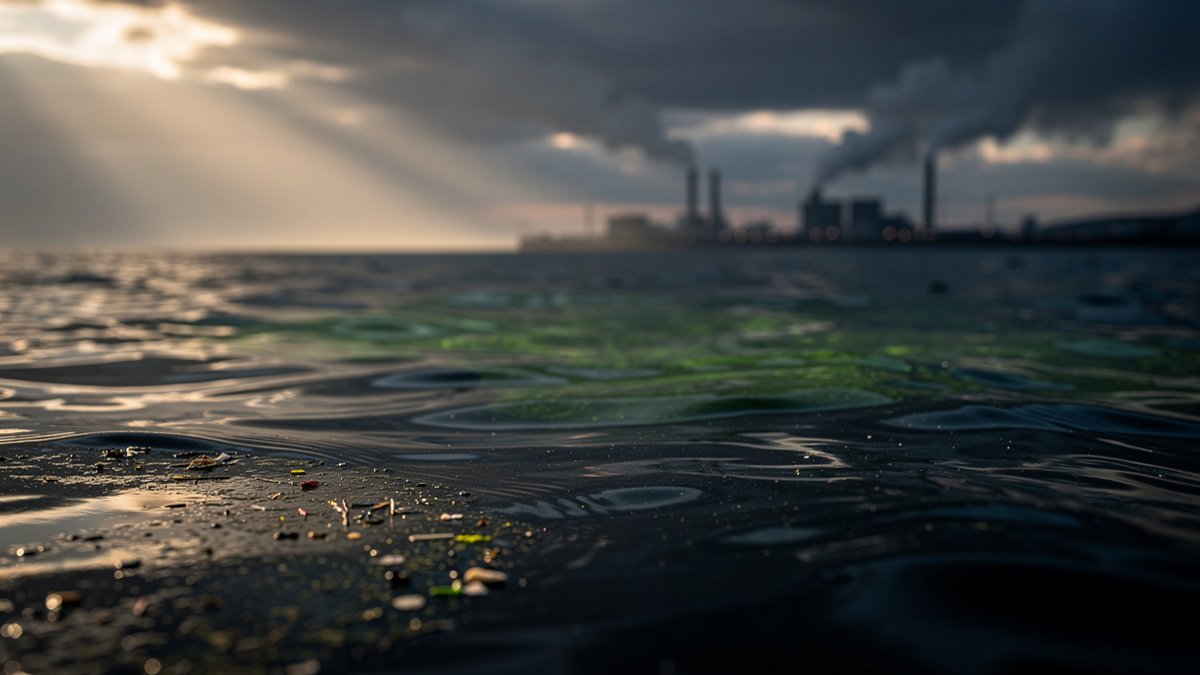
When marine physicist Tim Smyth and conservation scientist Tom Davies dug into 20 years of satellite data, they were not hunting for changing colours. Their original project focused on artificial light at night along coasts. Instead, they uncovered large, continuous regions where ocean darkening showed up as a persistent drop in light returning to space.
These were not random specks of murky water. The data revealed vast belts of surface ocean becoming more opaque, both near shore and far offshore. Independent teams, including those cited by recent satellite analyses, now converge on a similar number: roughly 20–21% of the seas have dimmed since the early 2000s. That scale turns a curious pattern into a genuine global phenomenon. Shrinking Antarctic ice also exemplifies dramatic shifts in Earth’s climate systems.
How to Create a DIY Worm Farm That Can Compost Food Scraps, Paper, and Even a Whole Kangaroo
How Squid Triumphed Over Earth’s Greatest Extinction to Dominate the Oceans
How water pollution and rivers set the stage
Along coasts, the explanation begins on land. When forests give way to intensive farming or sprawling cities, rainstorms shake loose soil, fertilizers and organic debris. Floods then drive sediment runoff and “tea‑coloured” dissolved organic matter into estuaries, reducing clarity and boosting light attenuation in nearshore waters.
Fertiliser‑rich runoff feeds phytoplankton blooms that further block sunlight. In places like the Baltic, Gulf of Mexico or English Channel, this cocktail has long been linked with dead zones and algal surges. The new twist is scale: data compiled in work highlighted by Plymouth Marine Laboratory shows that coastal dimming is now the bright edge of a much larger, darker picture stretching into the open ocean.
Climate change is reshaping light, plankton and ocean albedo
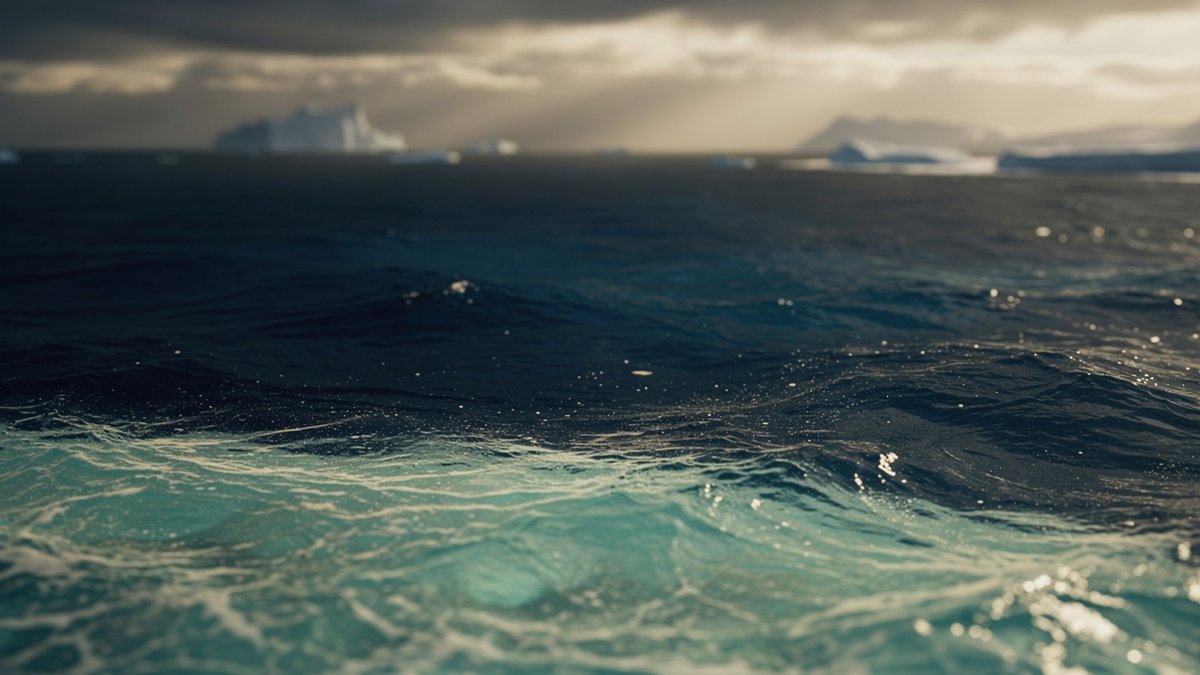
Far from land, nobody is dumping sewage, yet the water column still darkens. Here, the main suspect is climate change altering temperature, salinity and mixing. Warmer surface layers stratify earlier in spring and stay more stable, trapping nutrients and light near the top. This favours denser phytoplankton layers that absorb more photons and scatter fewer back to space.
As a result, ocean albedo – the fraction of sunlight reflected – can shift downward. Darker surfaces absorb extra heat, reinforcing warming in a subtle feedback loop. At the same time, some regions show phytoplankton decline as nutrient‑rich deep waters mix up less efficiently. Patchy increases in dense blooms and declines in other zones both change how deeply light reaches the so‑called photic layer. Study reveals extreme impacts are also related to ocean warming trends.
Light attenuation and the shrinking photic zone
The photic zone, where photosynthesis pays off, typically extends tens of metres, sometimes over 100 in very clear gyres. With intensified light attenuation from particles, coloured organics and altered plankton communities, that band can contract upward by tens of metres. Smyth compares it to squeezing a city’s population into a single park.
For tiny drifting plants, that means a narrower vertical window where energy balances out. For animals that hunt or hide using light, the compression can be even sharper. Studies described by recent science coverage underline that this shrinking window is not just a colour issue; it reshapes which organisms can thrive at each depth. Read more about valuing nature falls and strategies for ecosystem resilience.
Marine ecosystems under pressure: life in a thinner band of light
Every night, trillions of zooplankton rise from the gloom to graze at the surface, then retreat with dawn. This vertical commute, the largest migration of biomass on Earth, ferries carbon from surface waters to depth as animals excrete, respire and eventually sink. Ocean darkening now pinches the upper and lower boundaries of that journey.
When visual predators cannot see as far down, zooplankton no longer need to dive hundreds of metres to stay safe. Their daily movements shorten, weakening the biological pump that stores carbon in the abyss. Less export means more carbon lingers in shallow layers where respiration can push it back into the atmosphere, subtly undermining the ocean’s climate‑buffering role.
Predators, fishers and marine biodiversity in flux
The squeeze is not limited to plankton. Fish that hunt by sight, from mackerel to tuna, increasingly operate in thinner, brighter slabs near the surface. Prey organisms also pack into this zone, raising encounter rates and altering who eats whom. Such shifts ripple up the food chain, with marine biodiversity and commercial catches both exposed to new pressures.
Night offers no full escape. Underwater, moonlight is stronger than it appears from a boat deck, guiding migrations and spawning. Darker water columns block more of this faint glow, making the “moonlit layer” shallower. Species that rely on specific lunar cues may find themselves mis‑timed or forced into riskier depths, a change that could subtly rewire entire marine ecosystems.
Can we slow the darkening oceans trend?
On land‑connected coasts, your choices and policies still matter. Smarter fertiliser use, buffer strips along rivers and wetland restoration all reduce water pollution and particle loads reaching the sea. Programmes like the UK’s AgZero+ trial integrated agroforestry, precision nutrients and catchment planning to keep soils and organics in fields, not estuaries.
Such measures brighten coastal waters, cut hypoxic events and give local food webs breathing space. They also buy time while the slower, deeper response of the open ocean catches up with global emissions cuts. The offshore picture demands continued pressure on greenhouse gases, because the drivers there are tightly tied to warming and altered circulation.
Protected areas and resilience beneath the surface
Darkening does not erase the ocean’s capacity to rebound. Case studies from California’s kelp forests show how well‑enforced marine protected areas helped underwater “forests” recover faster after intense marine heatwaves. Where predator–prey balances remained intact, habitats weathered stress and bounced back.
Expanding and properly managing such refuges will not directly reverse ocean darkening, yet it strengthens resilience. Robust food webs cope better with compressed habitats, sudden heat pulses and changing light climates. In a dimmer sea, protected pockets of healthy life become anchors that help surrounding regions adapt rather than unravel.
What causes the oceans to get darker?
Satellite records show that oceans darken when more light is absorbed or scattered in the surface layer. Near coasts, land use changes, nutrient runoff, sediment and coloured dissolved organics increase water turbidity. Offshore, climate-driven shifts in mixing, temperature and plankton communities alter how deeply sunlight penetrates, leading to a dimmed photic zone and lower ocean albedo. For more on broader risks, see approaching point return.
Why is ocean darkening a concern for marine life?
As the water column darkens, the sunlit layer where most organisms feed, grow and reproduce becomes thinner. Phytoplankton have less vertical space for efficient photosynthesis, zooplankton migrations shorten, and visual predators and prey are squeezed into a narrower band. This intensifies competition, changes food webs and can undermine fisheries and overall marine biodiversity.
How does ocean darkening affect climate change?
Darkened oceans reflect less sunlight and absorb more heat, slightly reinforcing warming. Shortened zooplankton migrations also weaken the biological pump that transports carbon to the deep sea. More carbon then remains in upper layers, where it can return to the atmosphere instead of being locked away for decades or centuries, making climate mitigation harder.
Can local actions really help brighten coastal waters?
Yes. Reducing fertiliser use, improving soil management, restoring wetlands and maintaining vegetated riverbanks all cut nutrient and sediment runoff. These steps improve water clarity, lower harmful algal blooms and ease ocean darkening close to shore. While they cannot fully offset large-scale climate impacts offshore, they deliver rapid, visible benefits for nearby marine ecosystems.
Are scientists sure this is a global phenomenon?
Multiple independent analyses of satellite records between the early 2000s and the 2020s, including work reported by BBC News and New Scientist, consistently reveal that more than one-fifth of the global ocean has darkened. Although regional patterns differ, the overall signal is robust enough for researchers to treat ocean darkening as a genuine global phenomenon rather than a local anomaly.
FAQ
What are the main ocean darkening causes in both coastal and open ocean areas?
Ocean darkening causes vary between regions. Along coasts, runoff from agriculture and cities washes sediments and organic matter into the sea, while in the open ocean, climate-driven changes in plankton and water chemistry also play a role.
How does climate change contribute to the darkening of the ocean?
Climate change can alter ocean currents, temperature, and stratification, which affects plankton growth and water clarity. These changes shift how sunlight penetrates the water, contributing to ocean darkening.
Why does increased runoff from land lead to darker coastal waters?
Runoff containing soil, fertilisers, and organic matter enters coastal waters and reduces their clarity, making them darker. This process is intensified by heavy rainfall and land use changes such as deforestation and urbanisation.
Are there ecological impacts of the ocean growing darker?
Jungle Wildlife Shares a Common Tree as Their Preferred Latrine Spot
How Beavers Transform Rivers into Potent Carbon Capture Ecosystems
Yes, darker waters limit the sunlight available for photosynthetic marine life, which can disrupt food webs and reduce the productivity of crucial species like phytoplankton. This can ultimately affect fish populations and carbon cycling.
Is the trend of ocean darkening likely to continue in the future?
Current research suggests ocean darkening causes are tied to ongoing global changes like pollution and climate change, so the trend may continue unless these pressures are reduced.