
Show summary Hide summary
Every sip from a plastic bottle, every meal in a plastic container, may be leaving tiny fragments inside your body that quietly reach your brain. New research suggests these microplastics are not just passengers, but active players in damaging brain health and driving neurodegenerative diseases. How an innovative plastic made from milk disappears in 13 weeks offers a perspective on alternative plastics that may reduce such risks.
Scientists now describe five interconnected ways these particles can fuel neurotoxicity, opening a disturbing link between everyday environmental pollution and conditions like Alzheimer’s disease and Parkinson’s disease.
How microplastics reach your brain and stay there
Imagine Alex, a 52‑year‑old office worker who eats take‑away lunches, drinks bottled water and wears synthetic sportswear. Without noticing, Alex ingests and inhales hundreds of tiny plastic fragments every day. Researchers estimate adults consume around 250 grams of microplastics annually, roughly the weight needed to cover a dinner plate.
Scientists Unveil Massive Spiraling Plumes Concealed Within the Depths of Greenland’s Ice Sheet
Scientists Sound Alarm: Australia’s ‘Zombie Tree’ Faces Possible Extinction Within a Generation
These particles come from seafood, salt, processed meals, teabags, plastic chopping boards, bottled drinks, contaminated soil, carpets, household dust and synthetic clothing. Most fragments are eliminated, yet studies now show that some enter the bloodstream, cross defensive barriers and eventually lodge in organs, including the brain, where they can accumulate over time.
Five ways microplastics may damage brain health
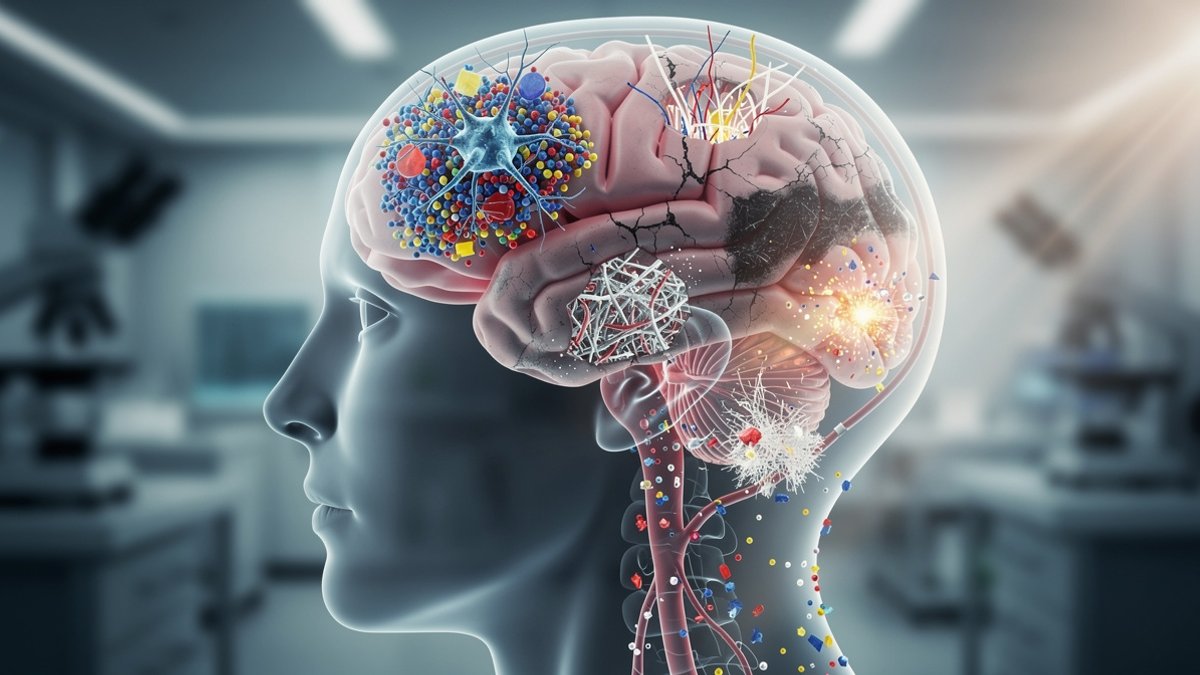
A recent systematic review in Molecular and Cellular Biochemistry, led by teams from the University of Technology Sydney and Auburn University, pulls together evidence from animal, cell and human studies. The authors highlight five main biological routes through which plastic contamination may harm the brain and accelerate cognitive decline.
This work echoes findings reported in sources such as five ways microplastics may harm your brain and other reviews linking these particles to neuroinflammation, protein misfolding and neuronal loss. Exposing truth battling Big Oil’s plastic expansion discusses wider industry impacts that relate to these health worries.
Immune overreaction and chronic neuroinflammation
The brain is protected by specialised immune cells called microglia and astrocytes. When they detect microplastics in tissue, they treat them like invading pathogens. This defence response releases inflammatory molecules that, if sustained, turn into chronic neuroinflammation. Over months and years, this inflammation can damage nearby neurons.
In models of Alzheimer’s disease and Parkinson’s disease, exaggerated activation of these immune cells is already linked to faster progression. Microplastic fragments add a constant low‑grade irritant, acting like a smouldering fire that never quite goes out.
Oxidative stress: when brain cells rust from within
Another key pathway is oxidative stress. Microplastics increase the production of reactive oxygen species, unstable molecules that attack fats, proteins and DNA. At the same time, they appear to weaken antioxidant defences that usually keep these molecules under control.
When oxidative damage accumulates, neurons lose efficiency, connections falter and subtle cognitive decline can begin. This mechanism features prominently in work summarised by sources such as reports on microplastics and neurodegenerative diseases, which describe how plastic particles amplify existing cellular stress. More on the environmental footprint can be found in evaluating the environmental footprint discussions.
Blood-brain barrier leaks and mitochondrial energy failure
To understand why environmental pollution matters for brain health, researchers focus on two vulnerable systems: the blood‑brain barrier and the mitochondria that power neurons. Both appear to be sensitive to microplastics even at low doses.
Alex, our office worker, cannot feel these changes directly. Yet, in experimental models exposed to similar plastic loads, scientists observe measurable weakening of the brain’s defences and energy supply long before symptoms appear.
Blood-brain barrier disruption and toxic access
The blood‑brain barrier acts like passport control for your central nervous system, allowing nutrients through while blocking toxins. Studies now show that microplastics can lodge in the cells forming this barrier, making it “leaky”. As tight junctions loosen, unwanted molecules and immune cells slip into brain tissue more easily.
This leakiness amplifies neurotoxicity. Inflammatory mediators and additional pollutants gain access, piling further stress onto vulnerable regions already affected in Alzheimer’s disease and Parkinson’s disease, such as the hippocampus and substantia nigra.
Mitochondrial disruption and energy crash in neurons
Neurons are energy‑hungry cells. Their mitochondria produce ATP, the fuel that powers signalling, repair and waste clearance. Researchers report that microplastics interfere with mitochondrial membranes and enzymes, lowering ATP output and raising oxidative by‑products.
With less energy available, neurons fire less reliably, synapses weaken and damaged proteins accumulate. Over time, this energy shortfall can push susceptible cells towards degeneration, particularly in regions already stressed by age or genetic risk factors.
From plastic exposure to Alzheimer’s and Parkinson’s risk
Dementia currently affects tens of millions worldwide, and projections suggest numbers will keep rising as populations age. Age, genes and lifestyle remain the main drivers. Yet the idea that plastic contamination might accelerate neurodegenerative diseases has gained attention in recent years.
Reviews such as the role of microplastics in neurodegenerative diseases summarise converging evidence: plastic particles not only inflame the brain, they also appear to interact with disease‑specific proteins.
Protein clumps: amyloid, tau and α-synuclein
In Alzheimer’s disease, toxic clusters of beta‑amyloid and tau spread through brain networks. In Parkinson’s disease, misfolded α‑synuclein damages dopamine‑producing neurons. Experimental work suggests microplastics can encourage these proteins to aggregate more quickly and clear less efficiently.
When combined with oxidative stress, barrier leaks and mitochondrial failure, this creates a feedback loop: more misfolded protein, more inflammation, more neuronal loss. For people already carrying genetic risk variants, plastic exposure may shift the timeline of symptom onset earlier.
Everyday steps to reduce microplastic exposure
Scientists stress that more research is needed before drawing a straight line from microplastics to a specific diagnosis. However, the convergence of data on neurotoxicity, inflammation and cognitive decline justifies precaution. Alex, our fictional office worker, can already take simple actions to lower exposure. Related global actions are detailed in the iconic 1.5°C climate goal breakthroughs.
Practical changes focus on cutting contact with plastics wherever possible and supporting broader efforts to limit environmental pollution and waste. These habits help both personal brain health and planetary health.
- Use glass or stainless‑steel bottles instead of single‑use plastic drinks containers.
- Store and reheat food in glass or ceramic rather than plastic boxes.
- Choose loose tea or metal infusers instead of plastic‑sealed teabags.
- Replace plastic chopping boards with wooden or bamboo options.
- Prefer natural fibres (cotton, wool) over synthetic clothing when possible.
- Limit heavily processed and over‑packaged foods in your weekly shop.
- Ventilate and vacuum regularly to reduce indoor microplastic‑laden dust.
Citizen and policy action also matter. Initiatives such as plastic monitoring projects and research campaigns, similar to those discussed in analyses of emerging microplastic threats and community programs like plastic patrol efforts in waterways, show how collective pressure can curb plastic use and improve waste systems.
Can microplastics alone cause Alzheimer’s or Parkinson’s?
Current evidence does not show microplastics as the sole cause of Alzheimer’s disease or Parkinson’s disease. Age, genetics and lifestyle remain dominant factors. However, studies indicate that microplastics may worsen inflammation, oxidative stress and protein aggregation, potentially accelerating disease onset or progression in susceptible individuals. Researchers are now running long‑term studies to clarify how strong this contribution may be.
How do microplastics enter the human brain?
Microplastics can enter the body through food, water and inhaled dust. Once inside, the smallest particles may cross the gut wall into the bloodstream. Experimental work suggests they can then weaken the blood‑brain barrier or pass through existing transport routes, eventually lodging in brain tissue. Autopsy and surgical samples in recent years have confirmed the presence of plastic fragments in human brain regions.
Are some plastics more dangerous for brain health than others?
Many studies focus on common polymers such as polyethylene, polypropylene, polystyrene and PET, as well as the additives attached to them. Toxicity appears to depend on particle size, shape, chemical additives and the pollutants adsorbed onto their surfaces. Nano‑sized particles seem particularly worrying because they cross biological barriers more easily, but scientists are still mapping which combinations pose the highest neurotoxicity.
What early signs of microplastic-related brain effects should I watch for?
Scientists Uncover Hidden Alliance Between Plants and Beetles
This Week in Wildlife: A Soaked Macaque, Four Tiny Piglets, and a Sneaky Fox Stowaway
Microplastic exposure does not cause a specific, easily recognisable symptom. Potential effects—such as subtle memory changes, slower thinking or sleep disturbances—overlap with many other conditions. The best approach focuses on overall brain health: regular exercise, balanced diet, good sleep, social engagement and reduced exposure to pollutants, including plastics, to lower cumulative risk.
Can filtering water and air significantly cut my exposure?
High‑quality water filters can reduce some microplastics, especially larger fragments, though performance varies by technology. HEPA air filters and frequent vacuuming help remove airborne particles and dust fibres indoors. These tools, combined with reduced use of disposable plastics and synthetic fabrics, can meaningfully lower overall exposure, even though they cannot eliminate it completely.