
Show summary Hide summary
- Glacier protection rollback: what just changed in Argentina
- Jáchal’s story: when mining meets drinking water
- Economic boom vs water security in a warming climate
- Why “relevant water function” worries glaciologists
- Argentina’s glaciers in the global water and climate debate
- From street protests to long-term public policy choices
- How many people in Argentina depend on glacier-fed water?
- What did the original glacier protection law prohibit?
- Why is the new law controversial among scientists?
- How does climate change affect Argentina’s glaciers?
- Can mining and water security be balanced?
- FAQ
- How might the rollback of the Argentina glacier law affect local drinking water supplies?
- Who now decides which glaciers are protected in Argentina?
- What are the risks of allowing mining near glaciers that are no longer protected?
- Can provinces choose to keep stronger protections than what the new law requires?
- Is there a way for citizens to challenge decisions made under the new glacier law?
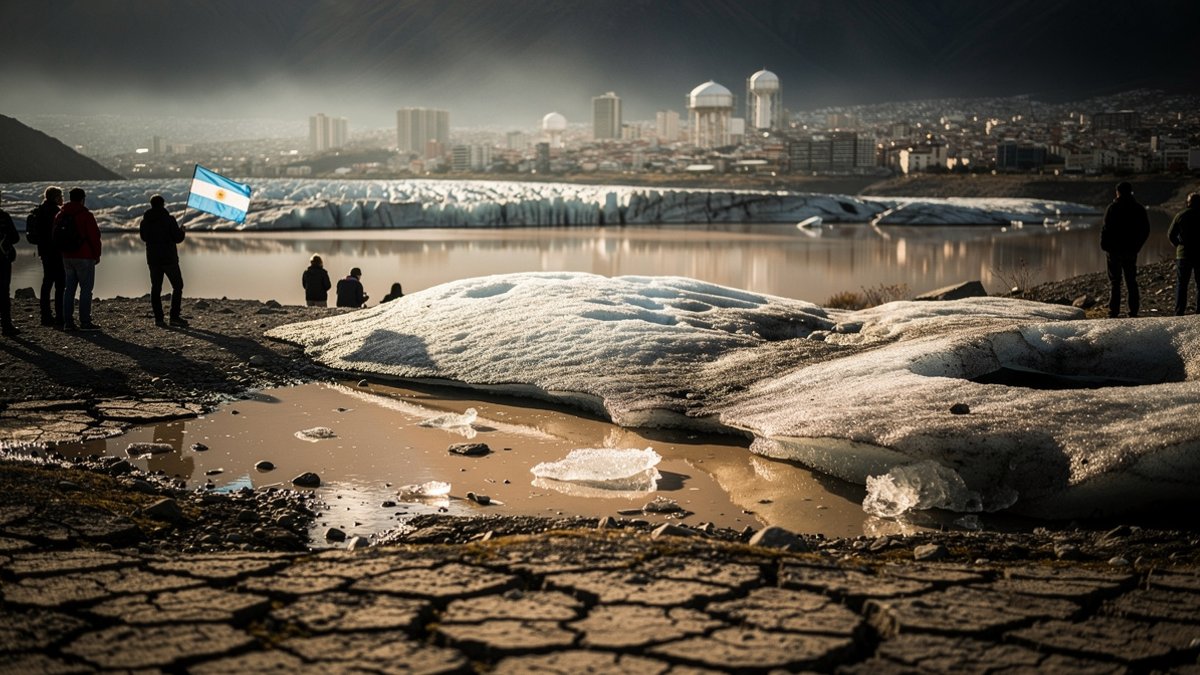
Imagine waking up one morning and hearing that the glacier feeding your river is no longer fully protected by law. For millions in Argentina, this is no longer a hypothetical scenario but a new political reality. Glacier protection rollback in Argentina is now shaping the lives of millions.
Glacier protection rollback: what just changed in Argentina
The reform of Argentina’s pioneering Glacier Protection law rewrites who decides which ice masses matter. National safeguards are being replaced by provincial discretion, shifting the balance of power from federal experts to local authorities under pressure for investment.
The new text allows governors to label only some glaciers as having a “relevant water function”. Those that do not receive this label can be opened to mining and infrastructure, even in high mountain areas where snowfields and periglacial soils feed rivers used for Drinking Water and irrigation. This single phrase transforms an environmental shield into a political filter.
A supervolcano almost erased humans 74,000 years ago—what we did to survive shocked scientists
Pirouetting and gaping: What scientists just saw as humpback migration begins—and why it’s causing serious debate
From national standard to fragmented environmental law
Since 2010, the glacier statute served as a nationwide baseline, banning any activity that could damage ice bodies or surrounding frozen terrain. It constrained powerful projects but gave communities a clear legal tool. Under the new framework, that common floor disappears. tailings dam failure issues offer useful parallels from mining worldwide.
Each province will interpret what counts as a water reserve, what “interference” means, and where extraction is allowed. For lawyers like Andrés Nápoli from Farn, that shift turns a rights-based Environmental Law into a mosaic of exceptions. The question moves from “Is the glacier protected?” to “Who has the authority to say it is not?”
This institutional break helps explain why protests erupted outside Congress and across Andean towns. For many residents, the legal text is not abstract; it is directly tied to the taste, smell and long-term safety of their tap water.
Jáchal’s story: when mining meets drinking water
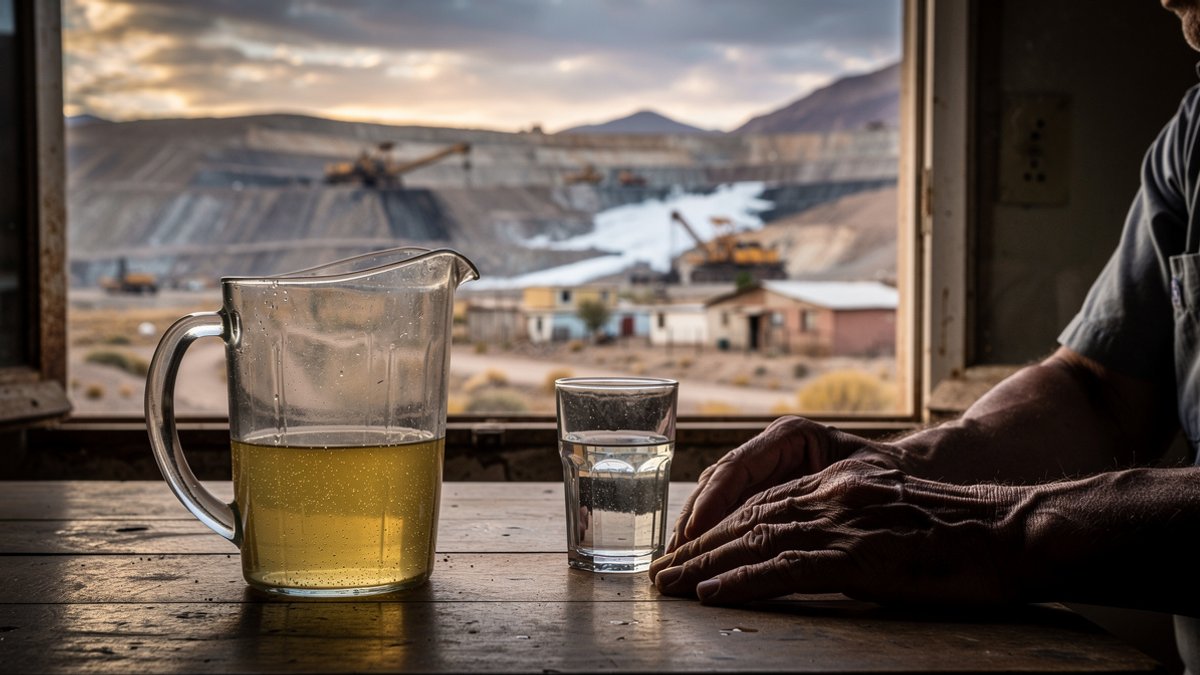
To understand the stakes for Water Security, follow the path of the Jáchal river. Accountant-turned-activist Saul Zeballos grew up drinking from it in a valley carved by Andean ice, long before the Veladero gold and silver mine started operating upstream in San Juan province in 2005.
In 2015, a major cyanide spill at Veladero sent shockwaves through the basin. Later analyses indicated that cyanide levels eventually remained under health thresholds, yet trust never fully recovered. Two more spills, reported in 2016 and 2017, remain under judicial scrutiny. For Zeballos, the legal debate ended the day he stopped filling his glass from the river.
Veladero, cyanide fears and the glacier frontier
Veladero, owned by Barrick and China’s Shandong Gold, sits near periglacial zones that hydrologists associate with glacier-fed flows. Environmental organisations have argued for years that the site overlaps with areas that should be no-go zones under the original legislation, although the company denies any breach.
A 2017 lawsuit accused state officials of failing to properly register nearby ice bodies in the national inventory, which would have restricted operations. The case still waits for trial, illustrating how gaps between maps, laws and extraction can persist for years while heavy machinery keeps moving rock.
For families in Jáchal, the current reform feels like the final confirmation that economic promises are winning over the right to a clean Water Supply. Their daily calculation is simple: either defend their watershed or prepare to migrate.
Economic boom vs water security in a warming climate
The Milei administration frames the reform as a lever for growth. Tax incentives, streamlined permits and fewer environmental vetoes are designed to draw multi-billion-dollar investments in copper, gold, silver and lithium, crucial for batteries and global energy transition technologies.
One example is Vicuña Corp, a joint venture between BHP and Lundin Mining, which announced around 18 billion dollars for projects in San Juan. Company leaders publicly back the new rules, arguing that provincial regulators are best placed to balance Natural Resources development and watershed risks.
Climate change and glacier melting increase the stakes
Scientists, however, are reading the same context through the lens of Climate Change. In Argentina’s northwest, glaciologists estimate that ice masses have shrunk by roughly 17% over the past decade. As Glacier Melting accelerates, each remaining block of ice becomes more valuable as a buffer during heatwaves and droughts. See also how shrinking antarctic ice threatens crucial climate systems globally.
More than 7 million Argentines—around 16% of the national population—live in regions that depend directly or indirectly on glacier-fed systems. Some years, a specific glacier might not appear decisive for Drinking Water; in dry years, that same glacier can be the difference between a manageable shortage and empty taps. A narrow definition of “relevant water function” overlooks that climatic variability.
Why “relevant water function” worries glaciologists
Researchers like Lucas Ruiz from Conicet argue that the reform confuses a technical challenge with a political one. Measuring flow volumes or storage is complicated but feasible; deciding which communities deserve long-term protection is a question of values and Public Policy, not just hydrology.
The draft does not specify how significance will be measured, who will collect the data or how often classifications will be updated. A glacier declared “non-relevant” in a wet phase could turn lifeline during an extended drought, yet the law leaves little room for that dynamic reality. Deepening concern, Argentina’s glaciers are under threat from compounding factors.
- Hydrological role: glaciers regulate seasonal river flow, especially at the end of dry summers.
- Ecological role: cold meltwater supports high-altitude wetlands and Andean biodiversity.
- Risk buffer: intact ice and permafrost stabilise slopes, reducing landslide and debris flow hazards.
- Social role: for communities like Jáchal, glaciers underpin cultural identity and local economies.
- Strategic reserve: during multi-year droughts, glacier storage becomes a hidden reservoir.
Reducing all these functions to a single binary label undervalues the integrated mountain ecosystem. That blind spot is exactly what many activists are trying to bring into the national conversation.
Argentina’s glaciers in the global water and climate debate
The Argentine debate echoes global tensions between big infrastructure, resource extraction and watershed protection. Massive hydroelectric projects, for example, promise clean energy but can transform river dynamics, as documented in analyses of projects like the world’s largest hydroelectric dam.
Similarly, suppressed or delayed environmental reports—such as the UK controversy over an alarming study on ecosystem collapse, detailed in this investigation on ecosystem breakdown—show how political pressure can distort climate and biodiversity policy. Argentina passes bill loosening protection of its glaciers, highlighting the ongoing debate: can a mining-driven growth strategy be reconciled with protecting shrinking ice reserves?
From street protests to long-term public policy choices
Opposition to the reform has brought together local assemblies, national NGOs and international observers. Greenpeace activists were briefly detained after a banner drop on the steps of Congress, highlighting how heated the dispute has become.
The next phase will not be played only in the streets but in courts, provincial offices and watershed councils. Whether glaciers are treated as expendable obstacles or non-negotiable components of Water Security will shape Argentina’s legal doctrine and mountain landscapes for decades.
How many people in Argentina depend on glacier-fed water?
Environmental organisations estimate that about 7 million people, roughly 16% of Argentina’s population, live in regions whose rivers and aquifers are influenced by glacier and periglacial meltwater. These populations are most exposed if protection of high mountain ice is weakened.
What did the original glacier protection law prohibit?
The 2010 Glacier Protection law banned any activity that could damage or alter glaciers or surrounding periglacial terrain, including mining infrastructure, roads and industrial facilities. Only scientific research infrastructure was generally allowed, with the goal of preserving ice masses as long-term water reserves. More on balancing legislative action and ecosystem health in valuing nature falls.
Why is the new law controversial among scientists?
Glaciologists argue that the concept of ‘relevant water function’ is vague, lacks clear technical criteria and ignores the multiple roles glaciers play beyond drinking water supply, such as ecosystem regulation and risk reduction. They fear that many smaller or less studied glaciers could lose protection.
How does climate change affect Argentina’s glaciers?
Rising temperatures have accelerated glacier melting in the Andes. In northwest Argentina, researchers estimate a loss of around 17% of glacier area over the last decade. This trend reduces the buffering capacity of mountain watersheds during droughts and amplifies concerns about long-term water availability.
Can mining and water security be balanced?
Some policymakers argue that strict regulation and modern technology allow mining with limited impact. Community groups respond that in high mountain watersheds, even low-probability accidents, like cyanide spills, can undermine trust and compromise water security for generations. The balance depends on rigorous oversight and clear no-go zones.
FAQ
How might the rollback of the Argentina glacier law affect local drinking water supplies?
The relaxation of the Argentina glacier law could put water sources at risk since some glaciers may lose their formal protection. This change opens up the possibility of mining and other activities that threaten the purity and stability of rivers used for drinking water.
Who now decides which glaciers are protected in Argentina?
With the amendment to the Argentina glacier law, provincial governors and local authorities can choose which glaciers are considered vital for water supply. This marks a shift from a national standard to provincial discretion, potentially leading to uneven protections across the country.
What are the risks of allowing mining near glaciers that are no longer protected?
Mining activities near unprotected glaciers can damage ice bodies and contaminate water sources with pollutants like heavy metals. This poses direct threats to ecosystems and the safety of drinking water for millions.
Can provinces choose to keep stronger protections than what the new law requires?
Labour’s Clean Air Act Is Facing a Major Hurdle—Charities Warn Hidden Delays Could Leave UK Air Unsafe
Stunning fossil discovery just shattered scientists’ beliefs about when animal life began—here’s why they’re reeling
Yes, provinces can set stricter rules if they wish, but there is no longer a nationwide obligation to protect all glaciers. This means protections may now vary widely depending on the priorities of local governments.
Is there a way for citizens to challenge decisions made under the new glacier law?
Citizens can still advocate for stronger protections and may take legal action if they believe water rights or environmental standards are compromised. However, the process may become more complex as authority has shifted to provincial levels.