Show summary Hide summary
- Hothouse Earth: what scientists mean by a Point of No Return
- From ice sheets to rainforests: where the climate is already shifting
- How societies can pull back from the climate brink
- From global action to personal choices: changing the trajectory
- What does ‘Point of No Return’ mean for climate change?
- Are we already in a Hothouse Earth scenario?
- Who will be most affected by a hotter planet?
- What role do tipping points play in climate policy?
- Can individual choices really help avoid irreversible damage?
When a leading climate scientist says the planet may already be as hot as at any moment in the last 125,000 years, the room goes quiet. That figure is not a metaphor. It is a line on a thermometer, and it tells a story about how close Earth might be to a Point of No Return.
The phrase sounds theatrical, yet it now appears in serious Scientific Warning papers on Climate Change. Researchers fear that continued Global Warming could flip key parts of the climate system like dominoes, locking humanity into a blistering Hothouse Earth far beyond the already risky temperature rise of 2–3°C currently projected.
Hothouse Earth: what scientists mean by a Point of No Return
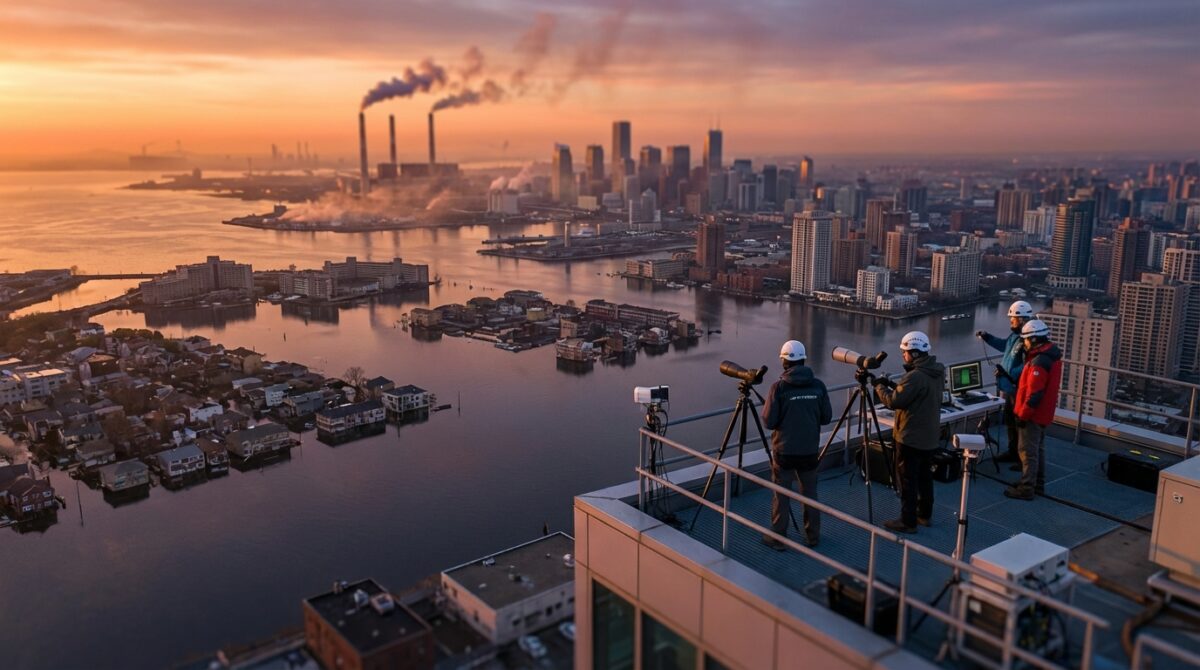
Behind the headline, the picture is stark. At around 1.3°C of warming above pre‑industrial levels, heatwaves, floods and droughts already upend lives from the Sahel to Southern Europe. Researchers warn that if temperatures climb to 3–4°C, “the economy and society will cease to function as we know it”. A Hothouse Earth scenario would go further, sustaining temperatures significantly above 4°C for thousands of years, reshaping Earth’s Future.
Catch Bird New App Transforms Birdwatching Adventures
Did a Cloud-Seeding Startup Truly Boost Snowfall in Utah?
The new analysis, published in the journal One Earth, draws on work from institutions such as the Potsdam Institute for Climate Impact Research, Oregon State University and the University of Exeter. Their concern is not only how much we heat the planet, but whether that heating triggers self‑reinforcing feedbacks that humans can no longer control, locking in irreversible damage.
How tipping points turn warming into a cascade
Climate tipping points are thresholds: pass them, and large systems shift abruptly into a new state. The latest synthesis looks at 16 tipping elements, from the Greenland and Antarctic ice sheets to the Amazon rainforest, permafrost and the vast Atlantic ocean current known as the Atlantic meridional overturning circulation (Amoc). These systems store heat, water and carbon; once destabilised, they begin to accelerate Global Warming instead of buffering it.
Researchers such as Dr Christopher Wolf and Prof Johan Rockström warn that tipping “may already be happening” in Greenland and West Antarctica, with permafrost, mountain glaciers and the Amazon appearing close to the edge. The risk is that crossing a few of these limits nudges others over, creating a chain reaction that drives the planet toward a Hothouse Earth trajectory.
This is where the Point of No Return becomes more than an image. Even if governments later slash emissions, a world where thawing permafrost belches CO₂ and methane, shrinking ice sheets reflect less sunlight, and a dying Amazon releases its stored carbon could continue heating for centuries. Rapid cuts are technically possible; reversing a planetary chain reaction is not.
From ice sheets to rainforests: where the climate is already shifting
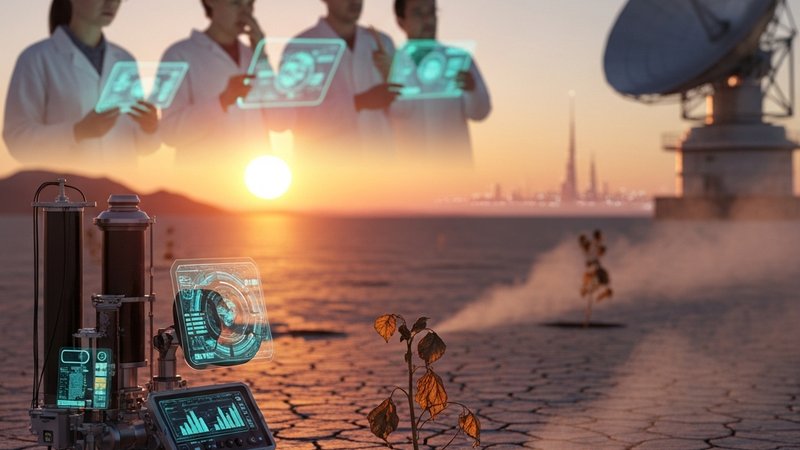
To understand what is at stake, imagine two places: a coastal village in Bangladesh and a town near the Arctic Circle. In the delta, families already pile sandbags against tides boosted by rising seas. In the north, houses tilt as thawing permafrost softens the ground. Both feel the same global physics playing out in different ways.
Satellite data show that parts of the Greenland ice sheet now lose more mass than they gain each year. Meltwater pours into the North Atlantic, contributing to sea‑level rise and potentially weakening the Amoc, the conveyor belt of currents that shapes weather from West Africa to Western Europe. In Antarctica, West Antarctic glaciers show signs of retreat that could, over centuries, add several metres to global sea level.
The Amazon, Amoc and the race to keep control
On another continent, the Amazon rainforest faces a different tipping point. Deforestation, heat and shifting rainfall patterns push some regions from lush forest toward dry savannah. Prof Tim Lenton, a tipping‑point specialist at the University of Exeter, notes that the Amoc already shows signs of weakening, a change that could disrupt monsoon systems and raise the risk of Amazon dieback.
Prof William Ripple, who led the recent analysis from Oregon State University, warns that carbon released by a degraded Amazon would amplify Climate Change and interact with other feedback loops. Rising CO₂ levels – already higher than at any time in at least 2 million years – would climb further, heating oceans and atmosphere and driving yet more Environmental Crisis. The window to keep these systems within familiar bounds is small, but it has not closed.
Scientists stress that humanity does not need to reach a full Hothouse Earth state for harm to be severe. Staying on course for around 3°C of warming already implies widespread crop failures, surging coastal flooding and more frequent disasters. The choice now is between varying levels of disruption, not between “safe” and “dangerous”.
How societies can pull back from the climate brink
Faced with this picture, many people ask: what can realistically change the story of Earth’s Future? The same researchers issuing stark warnings also outline concrete responses. Their message is blunt: current climate pledges do not yet match the physics of the problem, but there is still space to steer away from the most extreme outcomes and avoid irreversible damage.
One useful way to visualise the task is to think of a professional football club on the verge of relegation. Waiting for the last match to fight back rarely works. Teams that stay up reshuffle early – new tactics, fresh players, different training. Climate policy works the same way: deep, early cuts in fossil fuel use have much more impact than delayed, frantic action later.
From global action to personal choices: changing the trajectory
Researchers highlight three fronts where rapid change bites hardest into Global Warming: power, land and demand. Clean electricity, restored ecosystems and shifts in consumption add up. Cities, companies and households all sit somewhere in this chain.
- Power and industry: accelerate the phase‑out of coal, oil and gas, build renewables at record pace, improve energy efficiency in buildings and factories.
- Land and nature: stop deforestation, especially in the Amazon and Congo basins, protect peatlands and permafrost, restore wetlands and forests to draw down CO₂.
- Everyday demand: cut food waste, shift diets toward lower‑carbon options, favour public transport and rail over frequent flights where alternatives exist.
City leaders in places like Copenhagen or Bogotá already show how fast shifts can happen: bike‑first streets, electric bus fleets, strict building standards. These stories matter because they turn the abstract Climate Emergency into something people can see from their window and influence with their vote, their job or their wallet.
What does ‘Point of No Return’ mean for climate change?
In climate science, a Point of No Return describes thresholds beyond which large parts of the Earth system shift into a new state that humans can no longer reverse on meaningful timescales. Once major tipping points such as the collapse of ice sheets or large‑scale Amazon dieback are crossed, feedback loops can keep driving Global Warming even if emissions later fall, raising the risk of a long‑lasting Hothouse Earth.
Are we already in a Hothouse Earth scenario?
Current research suggests the world is on track for about 2–3°C of warming this century under existing policies, not yet the extreme Hothouse Earth projections of more than 4°C lasting thousands of years. However, some tipping elements like parts of Greenland and West Antarctica may already be destabilising, and several others appear close to critical thresholds. The decisions taken this decade will heavily influence whether those processes accelerate or can still be limited.
Who will be most affected by a hotter planet?
Communities with fewer resources, especially in low‑lying coastal regions, arid zones and densely populated megacities, face the greatest risks. Smallholder farmers, fishers, informal urban workers and Indigenous peoples already feel stronger heatwaves, shifting rainfall and rising seas. Wealthy countries are not spared; they see more destructive storms, wildfires and flooding. The difference is that richer societies have more means to adapt, at least in the short term, widening global inequalities if support is lacking.
What role do tipping points play in climate policy?
Tipping points raise the stakes for early and deep emissions cuts. Because scientists cannot predict their exact trigger thresholds, policymakers often apply the precautionary principle and aim to keep warming as low as possible, ideally close to 1.5°C. Avoiding or delaying tipping events preserves more options for adaptation, reduces the risk of runaway feedbacks, and lowers the chance of pushing the climate into a less habitable state for centuries.
Can individual choices really help avoid irreversible damage?
Exposing Truth Battling Big Oil’s Plastic Expansion
‘It Sounds Apocalyptic’: UK Floods Endanger Wildlife
Individual actions cannot replace strong government and corporate policies, but they strengthen and accelerate them. Choices such as voting for climate‑serious leaders, reducing fossil‑fuel demand through energy savings, shifting diets, and supporting businesses that cut emissions send clear signals. When millions of people move in similar directions, markets and politicians respond, increasing the chances of staying below dangerous levels of warming and slowing the march toward potential tipping points.