Show summary Hide summary
- The invisible organ redefining gut health and disease
- Groundbreaking discoveries about microbial diversity and the immune system
- How biome research turns into practical gut health tools
- From oral microbiome to lifelong brain health
- Why the microbiome is called the invisible organ of the century
- From space-age tools to everyday decisions about microbial balance
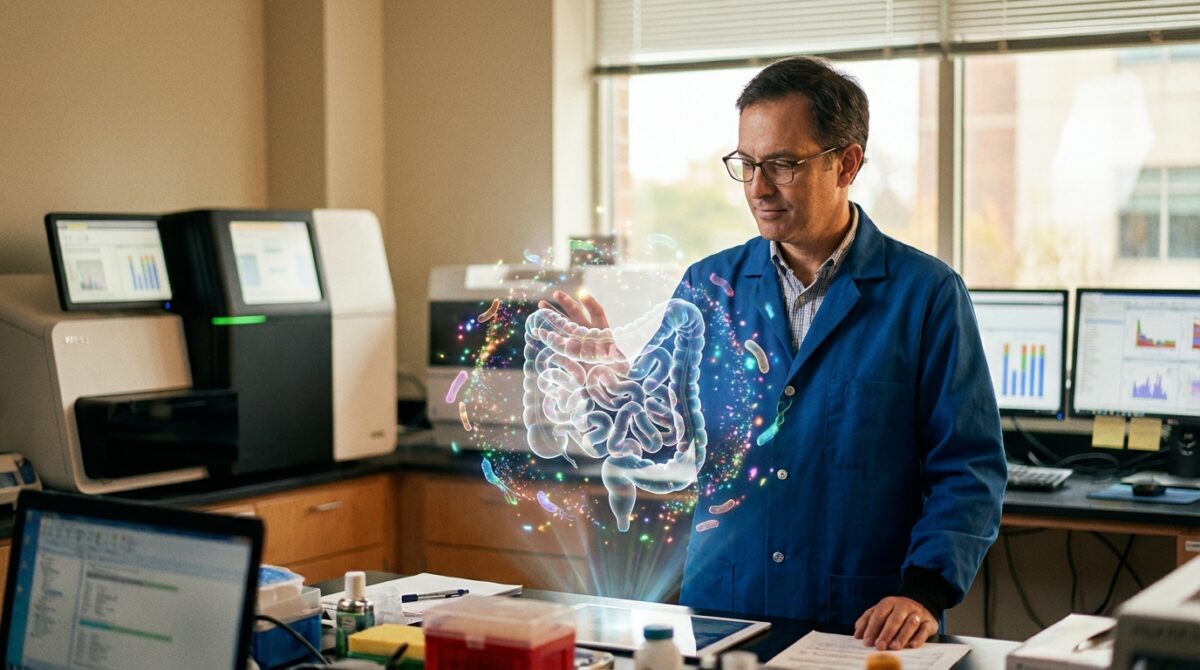
Imagine a hidden organ, weighing as much as the human brain, silently steering your mood, weight and disease risk. That “organ” is not made of human cells at all, but of trillions of microbes living on and inside you: your microbiome.
Once dismissed as biological background noise, this invisible ecosystem is now seen by many researchers as one of the century’s most profound sources of health insights, reshaping how doctors think about nutrition, immunity and even mental health.
The invisible organ redefining gut health and disease
For thousands of years, humans have harnessed microbes without understanding them, from fermented Roman “stomach guards” to traditional sourdough starters. Modern analyses of ancient breads, like those described in reports on secret sourdough microbes, reveal complex microbial communities already tuned to support digestion and preservation.
Scientists Unveil How AI Boosts Human Creativity
Challenging Childbirths: Insights into the Birthing Struggles of Extinct Australopithecus Relatives
Only in the past 25 years has science recognised the human microbiota as a dynamic organ in its own right. As Tim Spector of King’s College London notes, gut microbes influence metabolism, immunity and mental well-being, turning “gut feelings” into measurable biology that can be tracked, tested and eventually treated.

From van Leeuwenhoek to DNA sequencing revolutions
In the 17th century, Antonie van Leeuwenhoek sketched microbial life from his own stool, including the parasite Giardia, but his observations took centuries to be fully accepted. By the 1970s, researchers had started noticing that gut bacteria could change how drugs were broken down, altering treatment success from person to person.
The real acceleration arrived in the 2000s with affordable genetic sequencing. Large-scale projects, such as those summarised in modern microbiome research outlooks, mapped microbial DNA and revealed that every individual carries a unique microbial “fingerprint” made of bacteria, viruses, fungi and archaea.
Groundbreaking discoveries about microbial diversity and the immune system
Once researchers could read microbial genomes, unexpected patterns emerged. Studies showed that the immune system does not simply tolerate gut microbes; it talks with them constantly. Signals produced by bacteria help train immune cells, shaping inflammation levels throughout the body, from joints to lungs to the brain.
High microbial diversity in the gut is now associated with more resilient health, while low diversity, often called dysbiosis, correlates with chronic inflammatory conditions. Articles such as pioneering microbiome engineering detail how scientists are beginning to identify specific genes and pathways behind these effects.
From C. difficile cures to clues about Parkinson’s and obesity
Some of the most striking groundbreaking discoveries came from faecal microbiota transplantation. In patients with recurrent Clostridium difficile infections, transferring stool from a healthy donor often restores microbial balance and can achieve cure rates that antibiotics alone rarely match.
Mouse experiments added another layer of surprise. Microbes taken from obese mice caused lean mice to gain weight, while certain bacterial communities reversed autism-like behaviours. More recent biome research links specific microbial changes to increased risk of diabetes and even Parkinson’s disease, as highlighted in analyses such as best ideas of the century on the microbiome.
How biome research turns into practical gut health tools
Large universities and institutes have moved quickly to translate these insights into practice. Deep dives from groups like the University of Chicago, described as “a completely new frontier” in microbiome investigations, aim to understand not only which microbes live in the gut, but what they actually do molecule by molecule.
Reviews such as unlocking the potential of the microbiome for human health show how these data are informing clinical trials in irritable bowel syndrome, depression and some cancers. Early results suggest that tailored diets, live microbial therapies and targeted metabolites may soon complement traditional drugs.
Probiotics, diet and the search for real-world benefits
Against this backdrop, supermarket shelves filled with probiotics and “gut-friendly” snacks can be confusing. Not every product matches the promises on its label, and many commercial strains have limited evidence for meaningful change in gut health for otherwise healthy adults.
Yet research converges on several practical levers. High-fibre, plant-rich diets nurture diverse microbes, while ultra-processed foods narrow that diversity. Fermented foods introduce live cultures, echoing traditions discussed in pieces like the hidden powers of your microbiome, suggesting that everyday meals may be one of the most powerful microbiome tools you already control.
From oral microbiome to lifelong brain health
Researchers now look beyond the gut to the mouth, skin, lungs and even the placenta. The oral microbiome, for instance, is being investigated as an early indicator of metabolic risk. Reports such as new frontiers in oral microbiome and obesity explore how gum health and bacterial films on teeth may forecast weight gain and cardiovascular disease decades later.
The brain connection is just as intriguing. Longitudinal studies seeking to understand why some people keep sharp minds into old age, as in investigations on lifelong mental acuity, now include microbiome profiling alongside genetics, sleep and education to see how microbes might influence neuroprotection.
Key ways your microbiome may shape daily life
Across these fields, several recurring pathways explain how microbes may affect day-to-day health and long-term risk. Readers looking for concrete takeaways consistently ask how to translate complex biome research into simple habits.
Current evidence suggests your microbial communities can influence:
- Metabolism and weight – by extracting energy from food and producing metabolites that affect hunger and insulin.
- Immune responses – by training immune cells and modulating inflammation in the gut and beyond.
- Mood and cognition – via the gut–brain axis, including microbial production of neurotransmitter precursors.
- Drug effectiveness – through microbial enzymes that activate or deactivate medications.
- Barrier integrity – by maintaining the gut lining and preventing harmful compounds from entering the bloodstream.
Why the microbiome is called the invisible organ of the century
Authors at MIT Press have described this system as the invisible organ shaping our lives, arguing that the combined genetic material of microbes may dwarf our own in functional impact. The idea reframes humans as “superorganisms” whose health depends on cross-species cooperation.
Overviews such as unleashing the power of microbiome research underline how this shift touches almost every medical specialty. Gastroenterologists, neurologists, oncologists and psychiatrists now integrate microbial data when designing new trials and interpreting seemingly mysterious patient differences.
Separating hype from evidence as therapies emerge
Alongside the enthusiasm, scientists emphasise caution. Many current findings come from small cohorts or animal models, which may not fully mirror human complexity. Preprint platforms, such as analyses on emerging microbiome methodologies, make results visible earlier but also highlight the need for rigorous replication.
Algorithmic tools and software foundations described in resources like microbiome research breakthroughs help refine data quality, yet clinicians still call for large, long-term trials. The next decade will likely distinguish short-lived trends from therapies that genuinely change how diseases are prevented and managed.
From space-age tools to everyday decisions about microbial balance
Many techniques used in microbiome studies resemble those in planetary science: high-throughput sequencing, complex bioinformatics and powerful imaging. They translate methods originally developed for cataloguing life in extreme environments into tools for charting the dense ecosystems inside the human body.
For individual readers, the implications are surprisingly down to Earth. While bespoke microbial treatments remain mostly experimental, everyday choices about diet, antibiotics, stress and sleep already nudge microbial communities toward resilience or vulnerability, turning the “invisible organ” into something you can support consciously.
As this field matures, the most transformative shift may be conceptual: health is no longer only about the body you see in the mirror, but also about the vast, microscopic society that shares your every breath and bite.
What exactly is the human microbiome?
The human microbiome is the collection of microorganisms and their genes that live on and inside the body, including bacteria, viruses, fungi and archaea. Together, these communities interact with organs such as the gut, skin and lungs, influencing digestion, immunity, metabolism and even brain function. Many scientists now describe it as a virtual organ because of its scale and impact on health.
How can I improve my gut health through microbiome support?
Evidence suggests that varied, fibre-rich diets with plenty of plants help maintain microbial diversity, which is linked to better gut health. Fermented foods like yoghurt, kefir or kimchi can supply live microbes, while limiting ultra-processed foods and unnecessary antibiotics helps protect existing communities. Regular sleep, physical activity and stress management also appear to support a more balanced microbiome over time.
Are probiotics necessary if I already eat a healthy diet?
Probiotics can be useful in specific situations, such as after antibiotic treatment or in certain diagnosed gut disorders, but they are not a universal requirement. A balanced diet rich in different plant fibres often provides sufficient fuel for beneficial microbes already present. Because probiotic effects are strain-specific, medical guidance and evidence-based products are recommended rather than relying on generic supplements.
Can microbiome changes really affect mental health?
Researchers Uncover 400-Million-Year-Old Genetic ‘Switches’ Hidden Within Plants
Researchers Unlock 3D Printing Technique for One of Earth’s Toughest Metals
Research indicates that gut microbes influence the brain through immune signals, hormones and metabolites that travel along the gut–brain axis. Studies in animals and humans link certain microbial patterns with anxiety, depression and cognitive changes. While this does not mean microbes alone cause these conditions, it suggests that restoring microbial balance could become one component of comprehensive mental health strategies in the future.
Is microbiome testing at home reliable enough for medical decisions?
Commercial microbiome tests can provide a snapshot of which microbes are present, but interpretation remains challenging and standards vary. At present, most clinicians view these reports as educational tools rather than diagnostic instruments. Medical decisions are better based on established clinical tests, although ongoing research may gradually turn microbiome profiling into a more actionable part of routine care.