
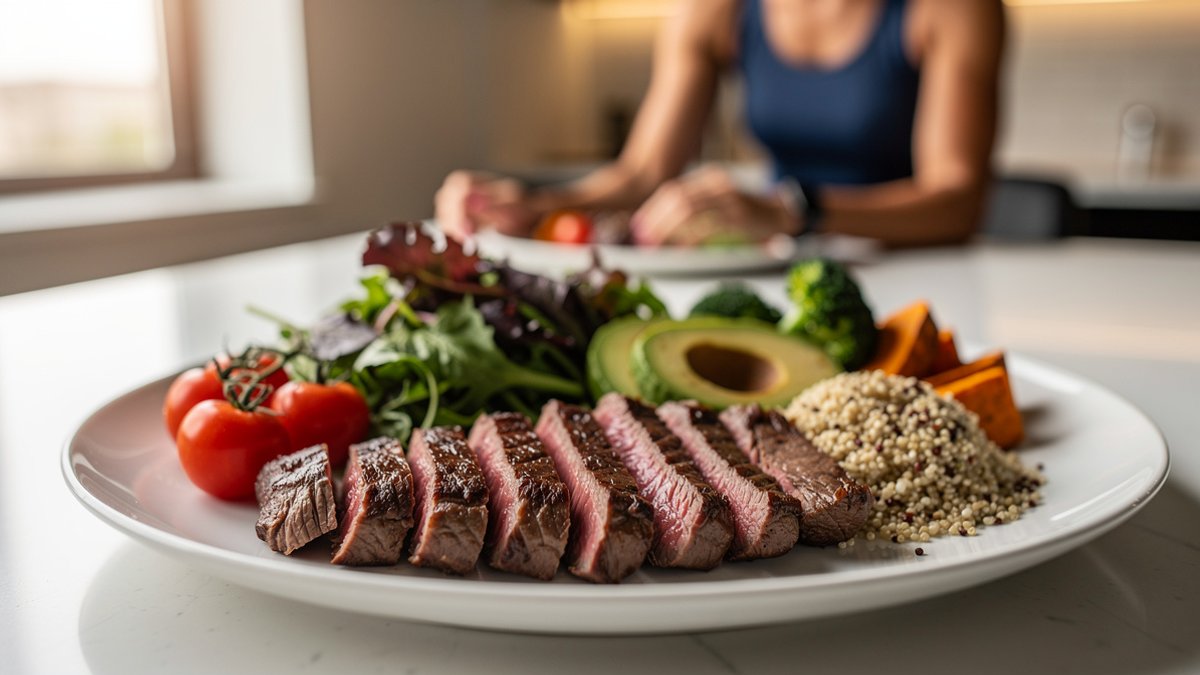
Show summary Hide summary
- Why Beef’s Bad Rap Might Be Outdated—And What Changed
- Are We Ignoring the Real Risks? Hidden Downsides That Still Matter
- The Protein Power Play: Why ‘More Beef’ Isn’t Always Better
- Grass-Fed, Lean, or Local? The Surprising Wild Cards in Beef’s Health Impact
- Is Beef’s Comeback Here to Stay—Or Just the Next Food Myth?
- FAQ
Just a few years ago, beef was the enemy on the dinner plate. Doctors and headlines pointed fingers at red meat, linking it to heart disease, cancer, and climate change. Suddenly, the tide is turning. “Beef is making a comeback – does it fit into a healthy diet?” is no longer a rhetorical question. Bustling farmers’ markets, nutrition podcasts, and even some medical circles are hinting that maybe, just maybe, we got the whole story wrong.
This shift matters because what lands on your plate isn’t just about taste or tradition. New science, savvy marketing, and slippery definitions like “grass-fed” are resetting the debate about beef’s place in a health-focused world. But are these changing attitudes really grounded in evidence, or just the latest food trend chasing your attention? If you think you know where beef stands in a healthy diet, you might want to look again—the answer is more complicated, and more revealing, than you’ve been told.
Why Beef’s Bad Rap Might Be Outdated—And What Changed
Once dismissed as a guaranteed ticket to heart disease, red meat is quietly inching back onto menus. Recent nutritional studies are shaking up decades-old assumptions, hinting that the link between beef and heart health isn’t as clear-cut as once believed. New evidence suggests that when consumed in reasonable portions—and outside the context of ultra-processed diets—lean cuts of beef may not meaningfully raise heart disease risk for most people.
A 10-second home strength test could predict your life expectancy—but most people flunk it. Here’s why it matters.
Scientists claim a 4-week diet made older adults biologically younger—here’s what’s real, what’s hype, and why it matters more than you think
The shift isn’t happening by accident. Updates to dietary guidelines are reflecting more nuanced science, acknowledging that other factors like sugar, highly processed foods, and overall dietary patterns can weigh more heavily than a steak on your plate. Several major reviews have even called out earlier studies for failing to account for these real-life complexities.
- Many high-profile studies lumped all red meat together, ignoring differences between a fast-food burger and a grilled sirloin.
- As the conversation evolves, beef’s role is getting redefined—not as an absolute villain, but as part of a broader, changing picture of what healthy eating can look like.
Are We Ignoring the Real Risks? Hidden Downsides That Still Matter
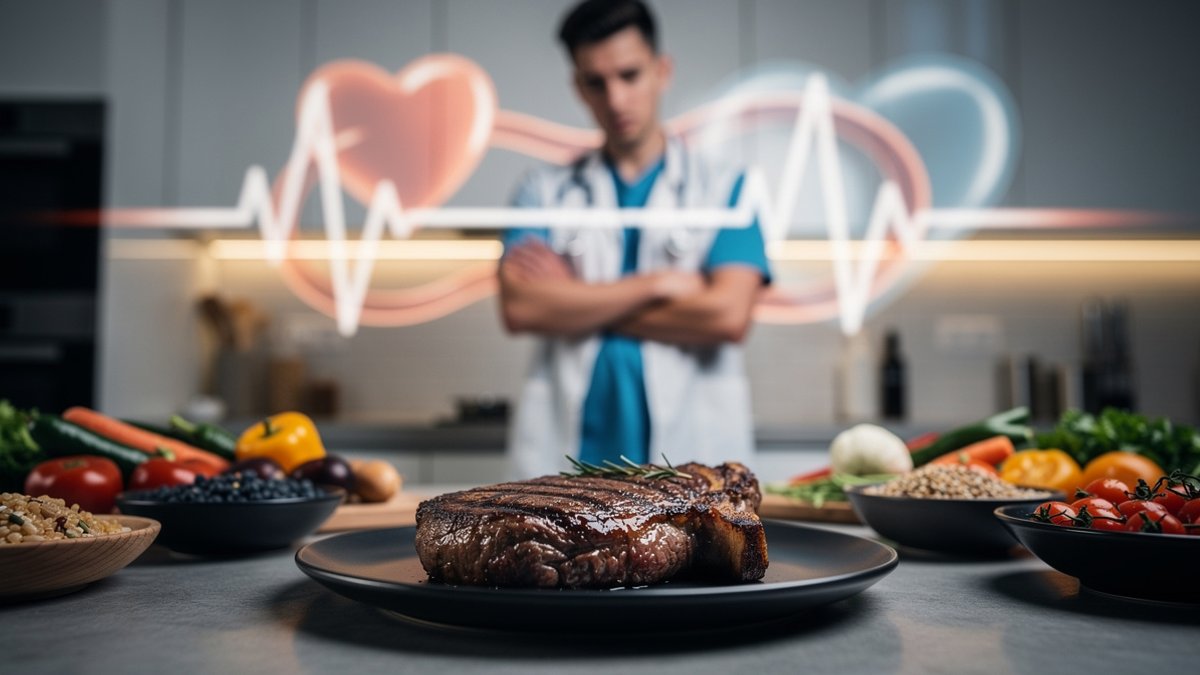
As beef slips back onto more plates, inconvenient truths linger. The link between high beef consumption and certain health risks—notably cancer risk and increased cholesterol—remains solid in numerous studies, especially when it comes to processed meats like sausages and deli cuts. The saturated fat content in fattier steaks can quietly nudge your cholesterol in the wrong direction.
- Leaner cuts cut risks substantially, while smaller portions rarely trigger alarm bells.
- Public health voices are far from unified:
- Some experts point to strong evidence from global research showing harm
- Others insist the real danger lies with ultra-processed meats more than steak itself
The bottom line? The way beef is prepared—and precisely how much makes it to your fork—matters far more than most headlines admit. The resurgence is real, but so are the lingering questions.
The Protein Power Play: Why ‘More Beef’ Isn’t Always Better
Beef’s protein punch is a big reason it’s enjoying a nutrition renaissance, especially among high-protein and low-carb enthusiasts. But the conversation is quietly missing a key point—protein quality and source matter just as much as the sheer number of grams. Not all proteins are created equal, and excess from animal sources can sometimes come bundled with high levels of saturated fat, limiting other crucial macronutrients in your diet.
- Fans of muscle health may celebrate beef, but few realize that plant-based diets can deliver a comparable protein payoff, often with extra fiber and less environmental baggage.
- The real trade-off? Choosing beef means sometimes nudging out more nutrient-dense or diverse protein sources.
- Behind the marketing, the question isn’t just if beef is back, but at what cost to the bigger nutrition picture.
Grass-Fed, Lean, or Local? The Surprising Wild Cards in Beef’s Health Impact
Not all beef carries the same nutritional baggage. Choosing grass-fed beef over conventionally raised cuts is more than a lifestyle flex — it can tip the balance of omega-3s in your diet, making the meat closer to wild game than fast food. Lean meat from grass-fed cattle also sprints ahead on the nutrient track, packing more antioxidants and fewer saturated fats in each bite. Suddenly, “red meat” is not a monolith.
But the plot thickens: environmental and ethical concerns now play a starring role for many eaters. Local sourcing and sustainable practices are quietly reshaping the concept of what makes beef “good” for you. The catch? Traceability and transparency still lag, so knowing your steak’s story has become as important as what’s on the label. For eaters paying attention, these wild cards could radically change what beef belongs on their plate—or keep it off entirely.
Is Beef’s Comeback Here to Stay—Or Just the Next Food Myth?
Diet trends flip faster than yesterday’s headlines, and beef’s rehabbed reputation may not be immune. While science has genuinely deepened our understanding—showing the risks and rewards are more nuanced than once believed—hype cycles and culture wars still cloud nutrition advice. Today’s so-called beef renaissance could be tomorrow’s regret if it overshadows the most crucial point: the future of food and your health won’t be shaped by fads alone.
Here’s the uncomfortable truth: no study, dietary guideline, or next-level beef product will ever outsmart personalized nutrition. Your metabolism, ethics, and health goals create a blueprint as individual as your fingerprint. Whether you lean into grass-fed tri-tip or stick with lentils, the choice cannot be crowdsourced. In the end, what matters most is not whether beef is crowned a hero again, but how you respond to the information—day by day, meal by meal. The real power isn’t in the protein. It’s in your plate. For a perspective on how changing habits can impact long-term health, consider reading about the stability of a crucial global carbon sink.
FAQ
Can beef be part of a healthy diet if I have high cholesterol?
Yes, lean cuts of beef in moderate portions can fit into a beef healthy diet, even for those with high cholesterol. It’s best to limit processed meats and choose grilled or baked beef over fried options.
How often should I eat beef for a balanced diet?
Most guidelines suggest enjoying beef a few times per week, focusing on lean cuts and balanced portions. Pairing beef with plenty of vegetables and whole grains supports a beef healthy diet.
Does grass-fed beef make a difference to health?
Grass-fed beef typically contains more omega-3 fatty acids compared to conventional beef. While this may offer some benefit, the overall impact is small if beef is only an occasional part of your healthy diet.
What nutrients does beef provide that other foods might lack?
Scientists Warn: This Everyday Sweetener May Be Quietly Rewiring Your Metabolism—Here’s What They Aren’t Telling You Yet
This 800-year-old Chinese exercise is lowering blood pressure in 2024—why experts say it’s nothing like yoga or mainstream stress fixes
Beef is rich in protein, iron, zinc, and vitamin B12, which can be harder to obtain from plant-based foods alone. Including beef in a healthy diet can help cover these nutritional gaps, especially for those with higher needs.
Is there a safe portion size of beef for a healthy diet?
A serving size of 70-100g cooked beef, a few times a week, is generally considered safe for most adults. This helps you gain the nutritional benefits of beef healthy diet while minimising potential health risks.