
Show summary Hide summary
- From wild kangaroo composting to balcony worm bin
- Meet the tiger worms powering vermiculture magic
- Setting up a compact DIY worm farm at home
- Sustainable gardening benefits of worm castings
- Why everyone should try eco-friendly waste management
- Can a home worm farm really handle meat or dead animals?
- Does a DIY worm farm smell bad in a small apartment?
- How fast will worms turn my food scraps into compost?
- Can I put glossy magazines and coloured paper in with the worms?
- Where should I place my worm farm for best results?
- FAQ
Your banana peels, shredded bills and even animal carcasses can all end up in the same place: a roaring DIY worm farm that never smells and quietly powers your garden. Once you have seen a whole kangaroo vanish into worm castings, a bowl of food scraps feels almost too easy.
From wild kangaroo composting to balcony worm bin
Picture James, splitting life between a tiny Sydney apartment and a remote bush block once used for farming. Both homes share one beating heart underground: a thriving system for worm composting that digests almost every piece of organic waste he produces. Out in the wild, that system is breathtakingly oversized. For more on nature’s adaptation, explore how shrinking Antarctic ice is impacting ecosystems.
Buried on his property sits a 4000‑litre tank acting as a giant vermicomposting reactor. All sewage and grey water drain into this chamber, where a colony of compost worms turns sludge into nutrient-rich liquid and castings. These products seep through porous trenches and then disperse through the surrounding forest soil.
How Squid Triumphed Over Earth’s Greatest Extinction to Dominate the Oceans
Jungle Wildlife Shares a Common Tree as Their Preferred Latrine Spot
A worm farm that eats a whole kangaroo
James lifts the tank lid and occasionally changes the “menu”. Alongside toilet waste and shower water, he tosses weeds, kitchen scraps and whatever dead wildlife he finds on the property. His rule is simple: if it was once alive, the final resting place is the worm farm. That includes a 50‑kilogram eastern grey kangaroo.
After one week, the carcass is barely recognisable; after a month, his torch beam reveals nothing. The worms share the space with frogs, spiders and fly larvae, all thriving in warm, humid conditions. Despite years of adding wheelbarrow loads of material, the tank never fills beyond a quarter, and neighbours never smell a thing.
Meet the tiger worms powering vermiculture magic
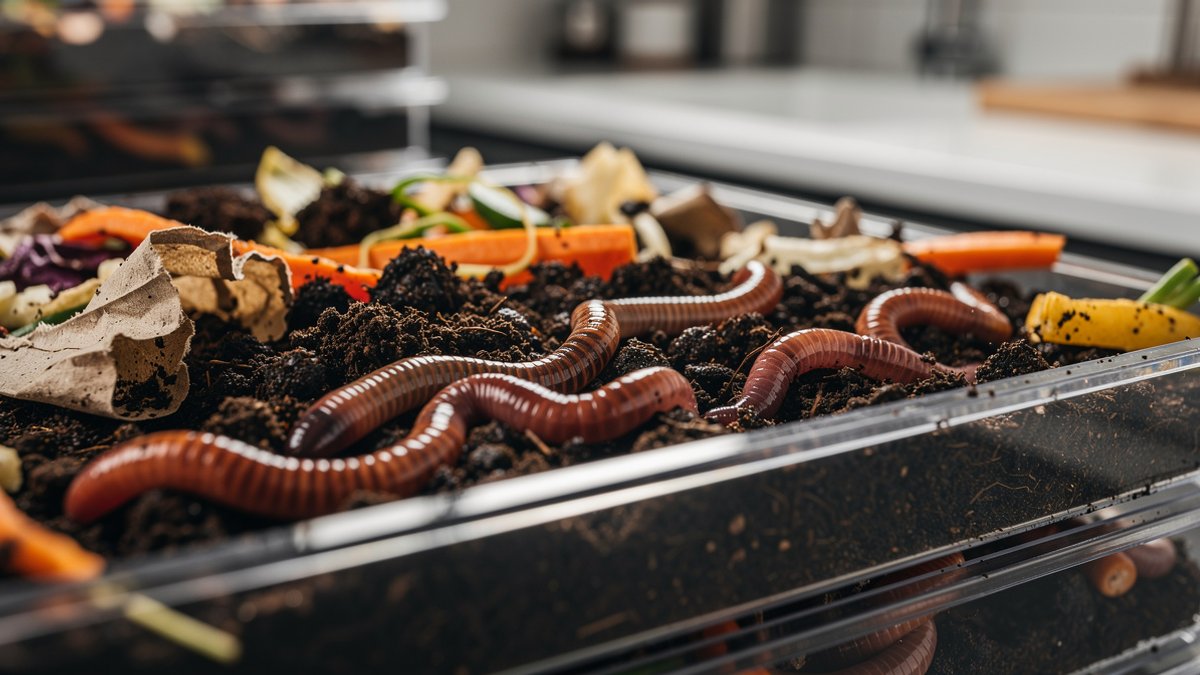
On installation day back in 2018, a local plumber asked James to “christen” the system with a small bag of tiger worms (Eisenia fetida). These striped compost specialists, known as red wigglers, brandling worms or manure worms, have become global stars of vermiculture and eco-friendly waste management.
Independent earthworm researcher Robert Blakemore describes how tiger worms cope with temperatures from -2°C to 40°C. They tolerate losing almost two-thirds of their body moisture and can survive complete water immersion for months. Each worm can process close to its body weight in organic matter every day.
Why these worms are made for composting
Unlike deep-burrowing earthworms, tiger worms live in the top layers of rich organic material. That makes them perfect for DIY worm farm setups, where the goal is fast breakdown of soft waste rather than deep soil tunnelling. Their castings create a concentrated, slow-release fertilizer that plants respond to quickly.
For gardeners wanting a step-by-step technical walkthrough, resources such as this detailed worm farm guide explain how to match worm numbers to the amount of waste your household produces. That helps you reach the sweet spot where nothing rots, everything is eaten. You may also find stories of land restoration like the Quapaw Nation inspiring for sustainable waste solutions.
Setting up a compact DIY worm farm at home
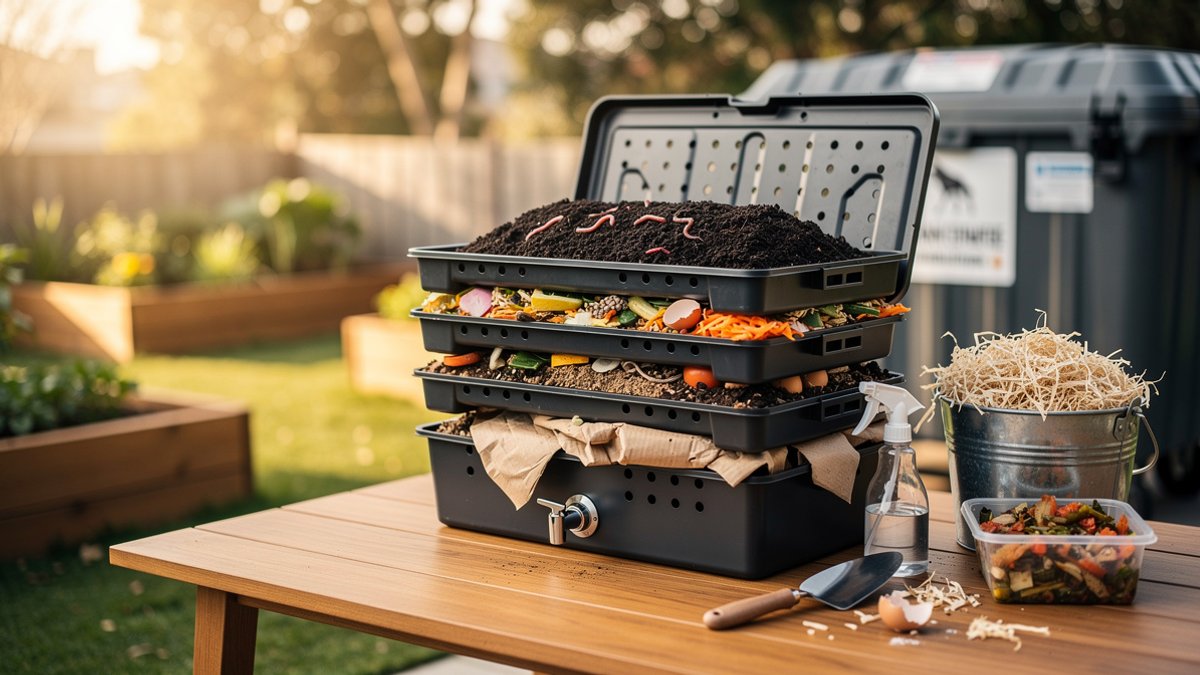
When James started spending more time in the city, he scooped a bag of worms from the bush tank and moved them into a commercial stacking bin on his small courtyard. The container stands about half a metre high, with trays that rotate: once the top layer fills with scraps, it moves down and a new tray starts on top.
This smaller system brings decomposition right under his nose. Lifting the lid reveals a squirming mass of worms threading through half-rotten food and soggy paper recycling. It looks like a horror film, yet there is no smell, only the quiet work of soil’s undertakers turning waste into black, crumbly compost for pots and planters. Learn more about why valuing nature falls short and bold strategies for planet rescue.
What you can safely feed your worm composting bin
Into this city farm go vegetable peelings, coffee grounds, tea leaves, shredded bills, cardboard, dog hair and even dog droppings. Blakemore suggests a few refinements for smoother composting: crush or microwave eggshells so they break down quicker, limit glossy or highly coloured paper, and watch those tea bags that refuse to rot because of hidden plastics.
Dog poo carries parasites, yet worms stabilise many of these as they digest the material. That said, many guides, such as this beginner-friendly worm farm tutorial, recommend keeping pet waste in a dedicated system and not using its castings on food crops, especially leafy greens.
- Great inputs: fruit and vegetable scraps, coffee grounds, tea leaves (no plastic bags), shredded paper and cardboard.
- Use with care: eggshells (crushed), yard weeds with seeds, small amounts of citrus or onion.
- Often avoided: meat, oily foods, dairy, large bones and heavily printed glossy paper.
Sustainable gardening benefits of worm castings
After several months, James rotates his trays. The oldest one has transformed into dense, dark compost that smells like forest soil. This material, rich in worm castings, becomes the backbone of his sustainable gardening efforts on the balcony, feeding herbs, ornamentals and potted fruit trees.
Worm castings hold moisture, buffer pH swings and provide a slow, steady release of nutrients. Gardeners often notice seeds germinating faster and plants handling heat stress better when even a thin layer of castings is mixed into potting soil or spread as a surface mulch.
Why everyone should try eco-friendly waste management
Blakemore likes to say that everyone should compost and that the main obstacles are “ignorance and laziness”. A small DIY worm farm removes nearly all excuses. The unit is compact, there is no odour if managed properly and the worms quickly reduce the volume of your organic waste.
Whether you build a system from buckets and crates following guides like this everyday-materials worm farm tutorial, or invest in a ready-made tower, the principle stays the same. You trade landfill-bound rubbish for living fertilizer that constantly cycles nutrients back into your plants.
Can a home worm farm really handle meat or dead animals?
Standard household worm bins are designed for soft kitchen scraps and paper, not large carcasses. James’s kangaroo composting works only because he uses a huge, professionally installed 4000‑litre system connected to sewage and grey water. For balcony or backyard setups, avoid meat and large bones to prevent smells and pests, unless you have expert guidance and a sealed, engineered unit.
Does a DIY worm farm smell bad in a small apartment?
A healthy worm farm should smell like damp forest soil. If there is a foul odour, something is off: too much wet food, not enough paper or cardboard, poor drainage or lack of oxygen. Balancing food scraps with dry bedding and keeping the bin out of direct sun usually keeps everything odour-free, even on a balcony or in a laundry.
How fast will worms turn my food scraps into compost?
Tiger worms can process close to their body weight in waste each day under good conditions. In practice, new bins take a few weeks to build up population and speed. Most households see visible reduction of organic waste within a month, and mature trays turn into finished compost in about three to six months, depending on temperature and feeding habits.
Can I put glossy magazines and coloured paper in with the worms?
Worms cope best with plain cardboard, egg cartons, uncoated envelopes and non-glossy office paper. Shiny magazines, plastic window envelopes and heavily coloured flyers often contain inks, coatings or microplastics that do not break down well. James particularly enjoys feeding old bills and junk mail to his worms, but he avoids anything plastic-coated or overly glossy.
Where should I place my worm farm for best results?
Keep your bin out of direct sun and heavy rain, in a shaded corner, carport, shed or balcony. Tiger worms thrive between about 15°C and 25°C but can handle cooler or warmer spells if the system is protected. City dwellers often tuck the bin beside outdoor plants, where it stays accessible for daily feeding and occasional harvesting of castings and liquid fertilizer.
FAQ
How do I prevent my DIY worm farm from smelling bad?
A properly maintained diy worm farm should not smell. Avoid overloading it with food scraps, keep the bedding moist but not waterlogged, and mix in enough carbon-rich materials like shredded paper.
Can I use any type of worm in my DIY worm farm?
Not all worms are suitable – compost worms like tiger worms (Eisenia fetida) work best. They thrive in organic waste and process material quickly, making them ideal for a diy worm farm.
What materials can I add to my DIY worm farm besides food scraps?
You can add shredded paper, cardboard, coffee grounds, eggshells and even small amounts of garden waste. Avoid adding dairy, meat (except in large outdoor systems), and anything oily or heavily processed.
How do I harvest worm castings from my diy worm farm?
How Beavers Transform Rivers into Potent Carbon Capture Ecosystems
Rising Ocean Temperatures Trigger a Dramatic Shift in Antarctic Sea Ice Patterns
To collect worm castings, move the finished compost to one side and add fresh food to the other, encouraging worms to migrate. After a few days, scoop out the castings to use in your garden.
Is it possible to compost animal carcasses in a home DIY worm farm?
Composting animal carcasses is generally only practical in large outdoor diy worm farm systems due to odour and pest risks. For most home setups, stick to plant-based scraps and small quantities of paper.