Show summary Hide summary
- T. rex, from uncontested monarch to pressured hunter
- The tiny tyrant that refused to be a teen rex
- Multiple tyrant species and a crowded dinosaur king court
- Extinction theories under fresh pressure from fossil discoveries
- From asteroid impact to modern risk questions
- Was T. rex still an apex predator after these new finds?
- What makes Nanotyrannus different from a young T. rex?
- How do growth rings in dinosaur bones work?
- Do these findings change how we view dinosaur extinction?
- Could more tyrannosaur species still be hidden in existing collections?
- FAQ
- What is the nanotyrannus discovery and why is it important?
- How does the nanotyrannus discovery affect our understanding of dinosaur fossils?
- Was nanotyrannus just a young T. rex?
- Where were the significant nanotyrannus discovery fossils found?
- Does the nanotyrannus discovery change the T. rex’s reputation?
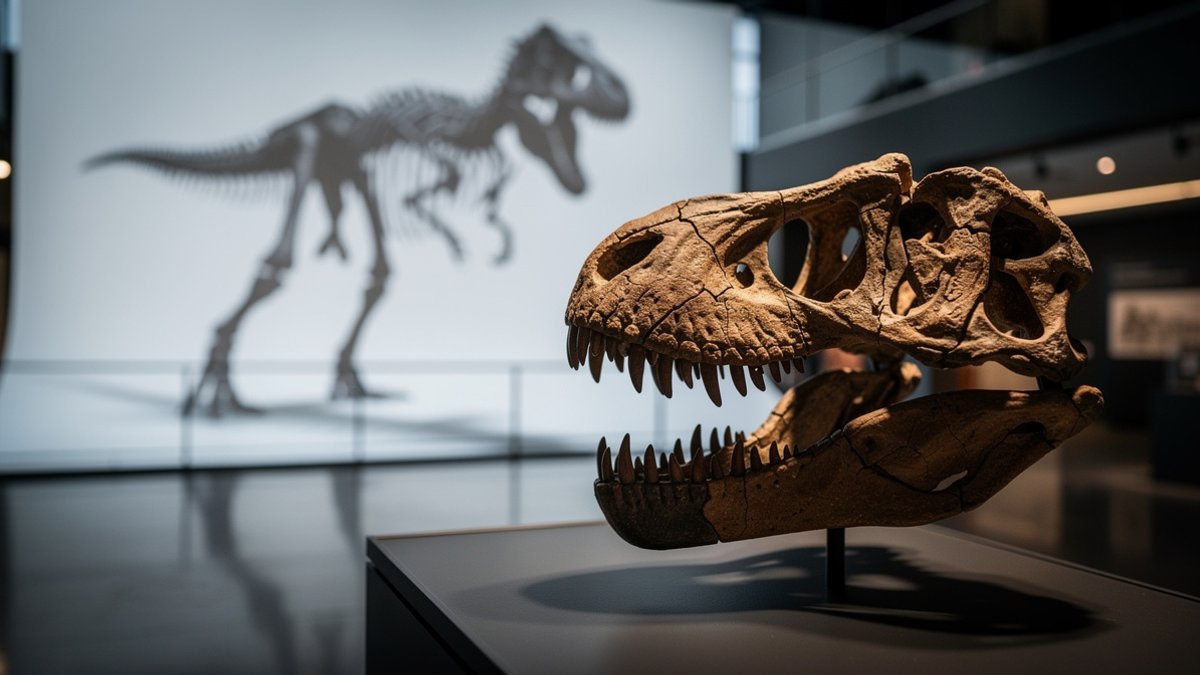
Imagine your favourite “Dinosaur king” poster suddenly going out of date. New fossil discoveries now suggest that T. rex shared its turf with leaner, faster tyrant cousins – and they are forcing experts to rip up decades of research. For more on this, see reports on shocking fossils challenging the dinosaur king narrative.
Those new bones, pulled from the badlands of Montana and the famed Hell Creek Formation, do more than tweak a family tree. They shake long-held ideas about dinosaur dominance, the structure of Late Cretaceous period ecosystems, and even some popular extinction theories.
T. rex, from uncontested monarch to pressured hunter
For years, textbooks presented Tyrannosaurus rex as the undisputed apex, a nine-tonne bite-force machine that erased rival predators from its landscape. Large carnivores were rare in those rocks, so the story seemed to fit. Juvenile rexes were thought to fill the gaps, outcompeting smaller hunters at every growth stage.
Honey Bees Exhibit Enhanced Dancing Skills in the Presence of an Audience
Mathematician Awarded 2026 Abel Prize for Cracking a Six-Decade-Old Mathematical Enigma
Paleontology has now flipped that script. Re-examined prehistoric fossils show that the “one-tyrant” model never truly matched the bones. Subtle clues in skulls, teeth and growth rings pointed to something else: more than one big hunter stalking western North America, and a far richer dinosaur hierarchy than the poster-version suggested.
The tiny tyrant that refused to be a teen rex
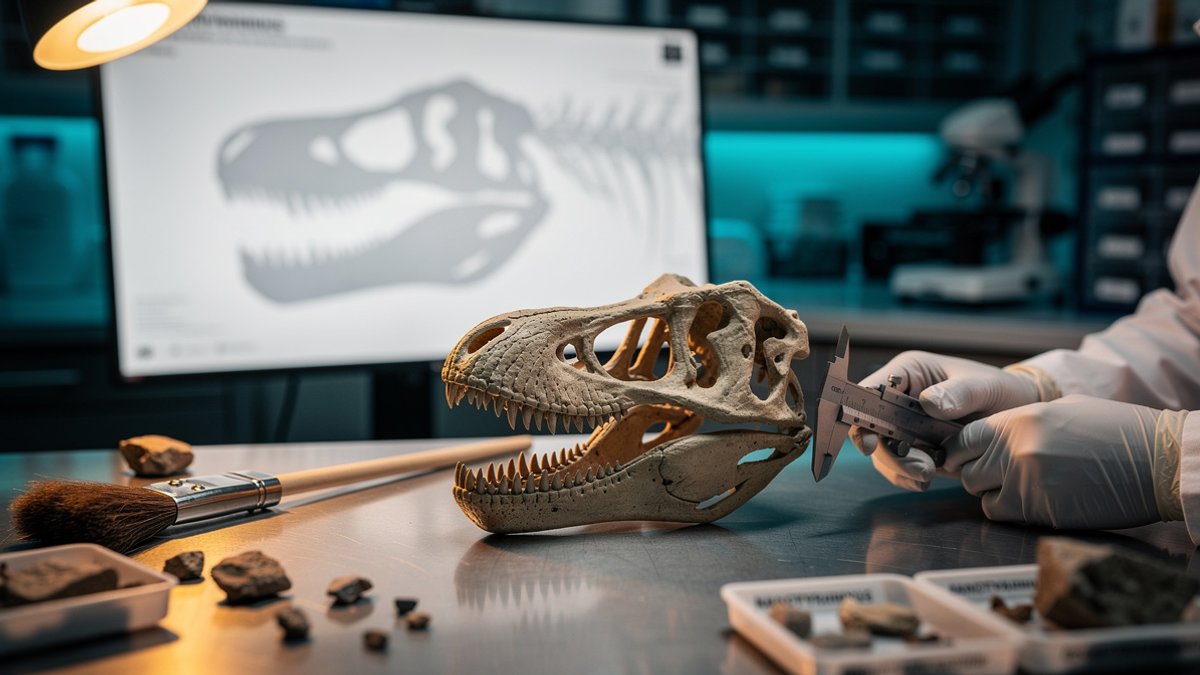
Everything changed with the legendary “Dueling Dinosaurs” block: a nearly complete Triceratops tangled with a smaller tyrannosaur. When researcher Lindsay, our guide through this story, first saw the predator nicknamed Manteo, she expected another teenage T. rex. That was the safe bet.
The bones disagreed. Manteo weighed roughly 700 kilograms yet carried arms slightly longer than those of some eight-tonne rexes. Its tail held extra vertebrae, its teeth stayed slim and blade-like, and the growth rings inside its leg bones showed a fully mature animal. A gangly teen? No. A compact adult new species: Nanotyrannus. Discoveries such as this have deeply influenced our understanding, as outlined in this tiny 2-pound dinosaur is transforming our understanding of evolution.
From Cleveland skull to confirmed Nanotyrannus
This verdict suddenly solved a decades-old puzzle. Back in the 1940s, a polar-bear-sized tyrannosaur skull from Hell Creek, now in Cleveland, didn’t match T. rex tooth patterns. Supporters argued for a separate species, Nanotyrannus lancensis, but most researchers dismissed it as a juvenile rex.
Recently, a team sliced a tiny throat bone from that skull and read its microscopic rings like a tree. The pattern matched an adult, not a fast-growing teenager. Combined with Manteo’s skeleton, the evidence locked in a picture of small-bodied adult tyrants living alongside giant rexes, not beneath them.
For a deeper dive into how this debate unfolded, reports such as “Dueling Dinosaurs” fossil solves one of paleontology’s biggest debates unpack the methods behind the growth-ring work and skeletal comparisons.
Multiple tyrant species and a crowded dinosaur king court
Once you accept that one “hidden” tyrant species sat in front of everyone for years, another question appears: were the giant rexes also more diverse than thought? Some researchers propose three large tyrant species in these rocks, differing in bulk and proportions, all contributing to a layered predator guild.
Others remain unconvinced, yet even sceptics now admit that dinosaur dominance near the end of the Cretaceous was shared, not monopolised. A landscape with T. rex plus at least two Nanotyrannus species feels less like a single lion on the savannah, more like a full pride competing with agile leopards.
What this means for Cretaceous food webs
For Lindsay and her team, the key shift lies in ecosystem structure. If juvenile rexes did not wipe out every mid-sized predator, then Hell Creek may have resembled today’s African or Indian reserves, where multiple carnivores overlap territories but specialise in different prey or hunting styles.
This aligns with other work on juvenile predators, like studies of young dinosaurs as ecological “free agents” described in pieces such as ancient 400-million-year-old fish fossils unveil the origins of terrestrial life. The Cretaceous food web starts to look less alien and far more modern.
- T. rex: massive, bone-crushing bite, likely targeting large herbivores such as Triceratops.
- Nanotyrannus: lighter frame, longer arms, blade-like teeth, probably attacking quicker or smaller prey.
- Younger tyrants: filling different niches again, scavenging or hunting intermediate-sized animals.
Additional insights from pieces like newly discovered dinosaur reveals how T. rex became king show how quickly opinion shifted once these specimens were analysed with modern tools.
Extinction theories under fresh pressure from fossil discoveries
These refined predator counts matter for more than bragging rights. Hell Creek captures the final snapshot before the asteroid impact, making it a testing ground for competing extinction theories. One long-standing idea suggested dinosaur diversity was already fading, leaving ecosystems fragile.
The presence of several thriving tyrant species argues the opposite. Top predators act as health indicators: if multiple large carnivores share a habitat, the underlying prey base must be rich. Rather than a tired ecosystem limping toward disaster, the late Cretaceous period now looks dynamic and crowded right up until impact.
From asteroid impact to modern risk questions
That realisation even colours how you think about present-day planetary risks. The asteroid that ended non-avian dinosaurs struck a world that appeared stable and productive. Today, discussions about impact risk, such as analyses of close-passing objects like Apophis in articles on assessing asteroid threats, echo that deep-time lesson: thriving ecosystems can still be blindsided.
For fans of paleontology, the message is clear. Each new block of stone pried from the ground has the power to reshuffle which animal wears the “dinosaur king” crown – and to remind you how fragile even the mightiest predators truly are.
Was T. rex still an apex predator after these new finds?
Yes. The new fossil discoveries do not demote T. rex from apex status. They show that it shared the top of the food chain with smaller tyrants like Nanotyrannus, rather than hunting alone. T. rex remained the heaviest, most powerful predator, but its dominance was no longer uncontested.
What makes Nanotyrannus different from a young T. rex?
Adult Nanotyrannus fossils are smaller overall but have proportionally longer arms, more tail vertebrae, and thinner, blade-like teeth. Microscopic growth rings in their bones indicate full maturity at these sizes, separating them from fast-growing teenage T. rex individuals.
How do growth rings in dinosaur bones work?
Many dinosaur limb bones add layers of tissue each year, creating rings visible under a microscope. Wide-spaced rings mark rapid growth, while tight spacing signals an adult plateau. Reading these patterns lets researchers estimate age and growth stage, separating juveniles from fully grown animals.
Do these findings change how we view dinosaur extinction?
They support the idea that dinosaurs were still diverse and ecologically robust immediately before the asteroid impact. Multiple large predators imply healthy prey populations. The extinction event now looks more like an abrupt catastrophe hitting a vibrant ecosystem, not the final push on a declining group.
Could more tyrannosaur species still be hidden in existing collections?
Very likely. Many museum specimens were labelled decades ago, before modern imaging and histology. Ongoing re-examinations of skulls, teeth and bone microstructures may split current T. rex material into additional species, further complicating the story of tyrant dinosaurs in Late Cretaceous North America.
FAQ
What is the nanotyrannus discovery and why is it important?
The nanotyrannus discovery refers to the unearthing of fossils that may represent a distinct small tyrannosaur rather than a juvenile T. rex. This challenges the traditional view of T. rex as the sole apex predator in its ecosystem.
How does the nanotyrannus discovery affect our understanding of dinosaur fossils?
The nanotyrannus discovery suggests that the Late Cretaceous period may have included multiple species of large predators. This could mean ecosystems were more complex and competitive than previously thought.
Was nanotyrannus just a young T. rex?
Some scientists argued that nanotyrannus fossils were actually juvenile T. rexes. However, features identified in recent nanotyrannus discovery specimens, such as unique bone structure and proportion, hint at a separate species.
Where were the significant nanotyrannus discovery fossils found?
Supercomputers Unravel a Half-Century Enigma Surrounding Giant Stars
A Remarkable Foam Breakthrough Poised to Revolutionize Everyday Products
Key fossils relating to the nanotyrannus discovery have been found in the Hell Creek Formation in Montana. This area has yielded specimens that prompted a fresh look at the diversity of tyrannosaurids.
Does the nanotyrannus discovery change the T. rex’s reputation?
The nanotyrannus discovery challenges the image of T. rex as the uncontested dinosaur king. It indicates that T. rex may have faced evolutionary pressure from other predators, altering its place in prehistoric food chains.