
Show summary Hide summary
- How the brain’s cleaning system changes migraine treatment
- What happened when scientists boosted glymphatic waste clearance
- Connecting glymphatic research, aging brains and chronic pain
- From ADHD traits to migraine: a wider brain health puzzle
- FAQ
- How does the glymphatic system affect migraine symptoms?
- Can improving sleep boost the glymphatic system for migraine relief?
- Are there any lifestyle changes that support the glymphatic system for migraine sufferers?
- Is targeting the glymphatic system a proven migraine treatment?
- How might new therapies focus on the glymphatic system for migraine management?
You know that crushing migraine pain that makes brushing your hair unbearable? Imagine easing it not by numbing nerves, but by boosting your brain’s own cleaning system. Neurology teams are now turning this waste-clearance network into a surprising new migraine treatment strategy.
Instead of chasing pain after it starts, researchers are asking a different question: what if your brain simply flushed out the molecules that ignite migraines in the first place? Yawning secretly affects brain fluid dynamics, which could influence migraine risk.
How the brain’s cleaning system changes migraine treatment
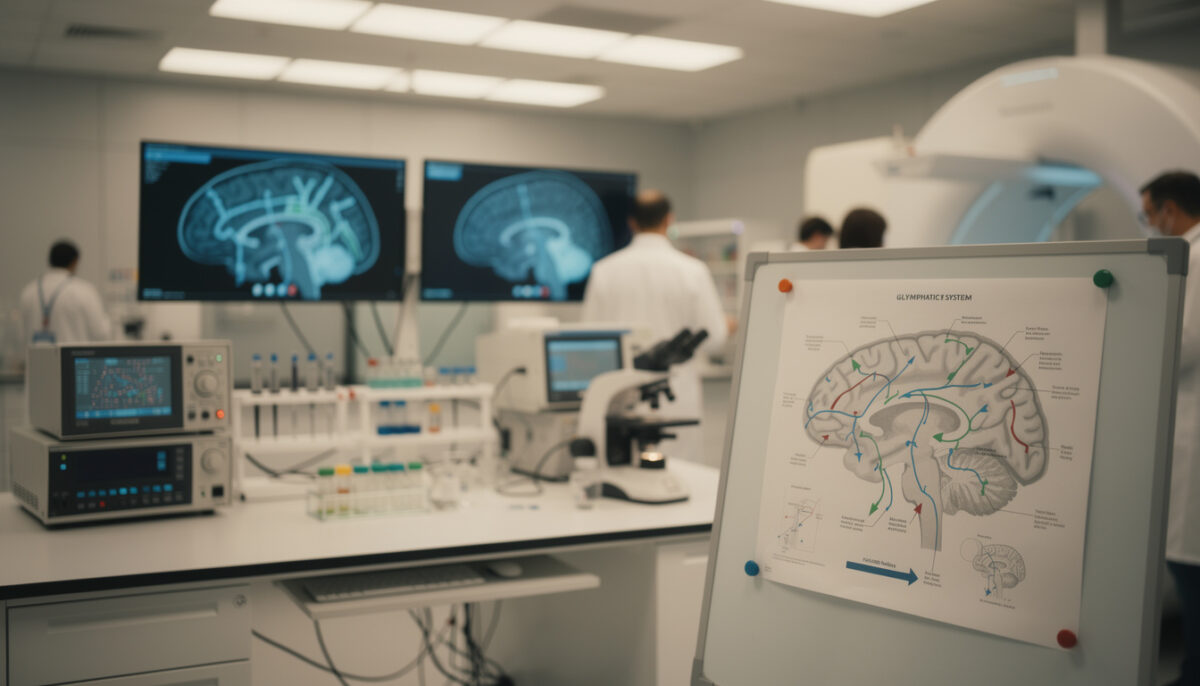
Inside your skull, a hidden brain cleaning system works night and day, circulating fluid that washes away metabolic waste. This network, called the glymphatic system, uses cerebrospinal fluid to clear out proteins, inflammatory molecules and chemical messengers. When this flow slows down, waste can accumulate and disturb normal brain signalling.
Scientists Unveil Breakthrough Reversible Male Contraceptive That Halts Sperm Production
Innovative Artificial Saliva Derived from Sugarcane Protein Shields Teeth Against Acid Erosion and Decay
For years, this system was only proven in animals. That changed when imaging studies finally showed a waste-clearance system in people, confirming that your brain really does have a built‑in “rinse cycle”. This discovery opened the door to using waste clearance as a lever for pain management, instead of focusing solely on blocking receptors.
From blood pressure drug to migraine pain relief
In a recent mouse study, scientists tested prazosin, a medication usually prescribed for high blood pressure. Earlier experiments showed that this drug improved the brain’s waste clearance after traumatic brain injury and eased facial pain. During those trials, something unexpected appeared: control mice with migraine-like symptoms also seemed to hurt less.
That curiosity led to a dedicated migraine experiment. Researchers gave one group of mice prazosin in their drinking water for six weeks, while another group drank normal water. Afterwards, both groups received injections of CGRP, a powerful migraine-triggering molecule that modern migraine treatment drugs already target.
What happened when scientists boosted glymphatic waste clearance
About thirty minutes after the CGRP injections, scientists gently probed the animals’ foreheads using plastic filaments of increasing thickness. These filaments are not usually painful, but migraine-sensitized animals react to even light contact, similar to people who feel burning pain from a simple touch on the face or scalp.
Mice that had received prazosin tolerated significantly thicker filaments without flinching. Their behaviour resembled healthy animals that had never been exposed to CGRP. Further analysis showed that CGRP had impaired the glymphatic system, while prazosin restored its function and likely sped up the removal of pain-signalling molecules. Read more about how unveiling secrets aging can reveal related clearance mechanisms.
Why this pathway matters for human migraine sufferers
Roughly one in seven people worldwide lives with migraine, and about a third do not respond well to standard drugs like triptans or CGRP‑blocking antibodies. For them, attacks can last days, derail work and family life, and turn simple tasks into endurance tests. Many already juggle lifestyle changes, supplements and other natural migraine remedies just to stay functional.
The prazosin findings suggest a fresh angle: instead of only blocking CGRP receptors, you might clear CGRP itself faster through an upgraded brain cleaning system. Because prazosin is already used in cardiology and psychiatry, researchers know its safety profile, shortening the road toward carefully designed clinical trials in migraine.
Connecting glymphatic research, aging brains and chronic pain
This migraine work does not stand alone. Studies in older mice show that boosting the brain’s lymphatic vessels can improve memory and reduce inflammatory markers such as IL‑6, effectively tuning the “noise-cancelling” circuits of the brain. Research teams have even reported that restoring the brain’s self-cleaning function can reverse some aging-related changes linked to neurodegenerative conditions.
These findings echo broader neurology research on how impaired cerebrospinal fluid flow contributes to cognitive decline, chronic headaches and mood issues. Reviews in journals like Cells and other neurology overviews map out how inflammation, vascular health and natural clearance mechanisms interact in complex brain disorders.
What you can do today to support your brain cleaning system
While prazosin-based migraine protocols still need human trials, you can already support your own brain cleaning system with evidence-backed habits. The glymphatic flow is most active during deep sleep, and seems more efficient when you lie on your side. Good sleep routines therefore do more than just improve mood; they literally help your brain rinse itself. Learn about related links between sleep, migraines, and how Alzheimer’s disrupts memory.
Researchers exploring how to boost the brain’s natural detox pathways also point to regular aerobic exercise, blood pressure control, and reduced exposure to air pollutants or solvents. These measures fit neatly with modern pain management plans, which combine medication, physical activity and environmental tweaks.
- Prioritise 7–9 hours of sleep to maximise night‑time glymphatic activity.
- Maintain steady blood pressure through diet, movement and medical follow‑up.
- Stay hydrated so cerebrospinal fluid circulation remains efficient.
- Limit alcohol and sedatives that can disrupt restorative sleep phases.
- Reduce toxin exposure at home and work whenever possible.
These steps will not replace migraine medication, but they create a biological environment where any future glymphatic system‑targeting drug can perform at its best.
From ADHD traits to migraine: a wider brain health puzzle
Neurology research is increasingly connecting seemingly distant conditions through shared mechanisms like inflammation, vascular stress and impaired clearance. For example, long‑term follow‑up studies now highlight the overlooked health consequences of growing up with persistent inattention or hyperactivity. Analyses such as reports on ADHD traits and later health show higher rates of anxiety, sleep problems and chronic pain syndromes.
This broader view matters because migraine rarely exists in isolation. Many patients also live with sensory hypersensitivity, mood swings, or concentration difficulties. Understanding how your brain handles stress, clears waste, and balances signalling over decades helps clinicians build more personalised care, where a migraine flare‑up is read as part of a lifetime brain story, not an isolated event.
How is this migraine research different from current CGRP treatments?
Current CGRP therapies mainly block receptors or neutralise the molecule in the bloodstream. The prazosin approach focuses on restoring the brain’s own waste clearance network, the glymphatic system, so CGRP and other pain‑related molecules are washed out more efficiently inside brain tissue itself.
Can I take prazosin now to relieve my migraines?
Prazosin is an approved medication for conditions like high blood pressure and PTSD, but it has not yet been validated as a migraine treatment in humans. You should only use it under medical supervision for approved indications, and never start or adjust it without discussing it with a neurologist or primary care doctor.
Does improving sleep really affect the brain cleaning system?
Yes. Glymphatic activity increases during deep, stable sleep, especially when lying on the side. Poor or fragmented sleep lowers this flow, which may slow the removal of metabolic waste and inflammatory molecules. Consistent sleep habits therefore support both brain health and long‑term migraine control.
Is the glymphatic system only relevant for migraine?
No. Research links this waste‑clearance pathway to aging, Alzheimer’s disease, Parkinson’s disease and traumatic brain injury. Migraine is one of several conditions where impaired fluid flow and waste build‑up might worsen symptoms, making the glymphatic system a shared target across different neurological disorders.
What should I ask my neurologist about this new avenue?
You can ask how glymphatic research fits with your specific type of migraine, whether your sleep, blood pressure or other conditions might influence brain waste clearance, and which ongoing clinical trials are exploring this pathway. This opens a more holistic conversation about long‑term brain health and pain management.
FAQ
How does the glymphatic system affect migraine symptoms?
The glymphatic system helps clear waste products from the brain, including molecules that can trigger migraines. When this system is sluggish, these irritants may build up, potentially worsening migraine symptoms.
Can improving sleep boost the glymphatic system for migraine relief?
Good sleep is essential for glymphatic function, as the system is most active during deep sleep. Prioritising restful sleep may help enhance waste removal and could reduce the frequency or severity of glymphatic system migraine episodes.
Are there any lifestyle changes that support the glymphatic system for migraine sufferers?
Staying hydrated, maintaining a regular sleep schedule, and managing stress can all support glymphatic health. Some research suggests these habits might lower glymphatic system migraine risk.
Is targeting the glymphatic system a proven migraine treatment?
Scientists Uncover Hidden Gut Signals Offering New Hope for Early Cancer Detection
Monthly Binge Drinking Could Triple Your Risk of Developing Liver Scarring
Research into the glymphatic system migraine link is still emerging. While early findings are promising, more clinical studies are needed before this approach becomes an established treatment.
How might new therapies focus on the glymphatic system for migraine management?
Future treatments may aim to enhance glymphatic flow, either through medication, sleep therapy, or lifestyle interventions. The goal would be to help the brain clear migraine-triggering compounds more efficiently.