
Show summary Hide summary
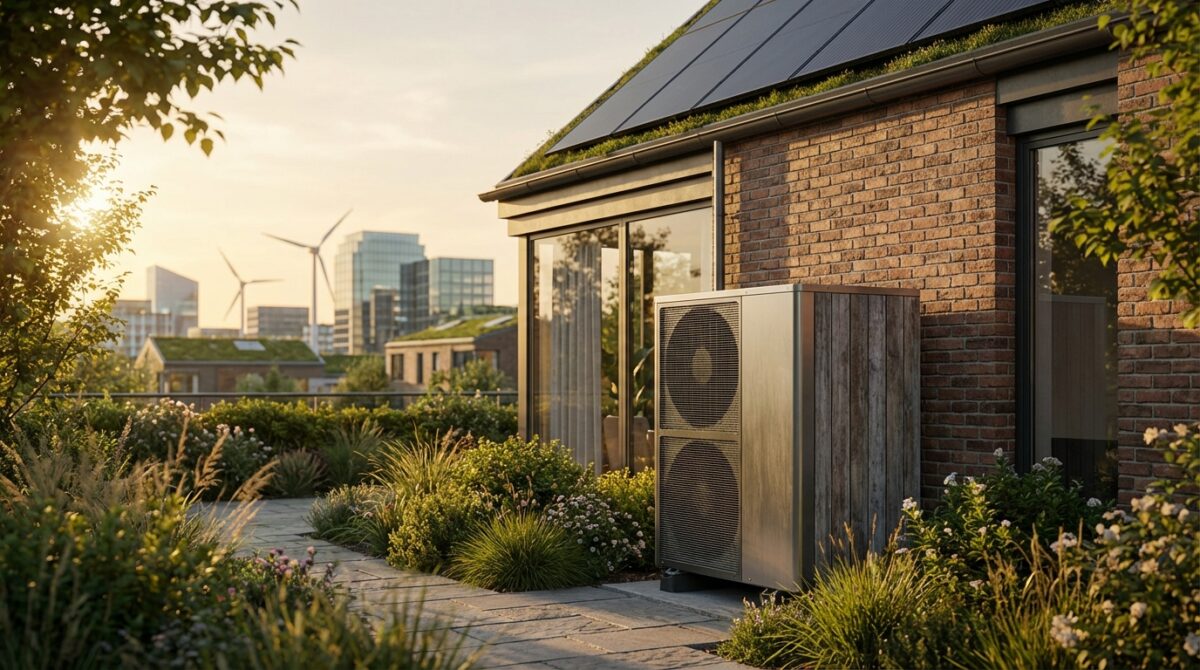
Some UK households are discovering that a heat pump, solar panels and a home battery can shrink annual energy bills from about £1,670 to roughly £670. That is a £1,000 swing from cold, damp winters to warmer rooms and lighter bills – and it sits at the heart of the UK’s new Warm Homes Plan.
The government is betting £15 billion on overhauling home heating without imposing a no gas boiler ban, while pushing Heat pumps with a dedicated £2.7bn investment. The question is whether generous carrots alone can shift a nation built on gas towards Renewable heating.
Warm Homes Plan: billions for cleaner UK home heating
The Warm Homes Plan is framed as the biggest upgrade of British homes in modern history, aiming to retrofit about 5 million dwellings. Official estimates suggest typical households that fully embrace the package could cut bills by up to £1,000 a year, while around 1 million people could be lifted out of fuel poverty.
Researchers Develop Slippery Nanopores to Boost Blue Energy Harvesting
Is Geothermal Energy Poised to Spark a Global Revival?
The package spreads Government funding across several schemes in England: £5bn for low‑income insulation and clean tech, £2bn for low‑cost loans, £2.7bn to extend the Boiler Upgrade Scheme, £1.1bn for heat networks and another £2.7bn via a new warm homes fund. Details of these strands have been unpacked by outlets such as The Independent and consumer experts at Which.
How the £2.7bn heat pump push fits UK energy policy
At the core of the plan sits the extended Boiler Upgrade Scheme, backed by £2.7bn investment. Homeowners replacing an existing gas boiler can access grants of up to £7,500 towards a heat pump, whether air‑source or ground‑source. This is intended to correct the UK’s status as Europe’s slowest heat‑pump adopter, identified by industry and thinktanks over recent years.
Ministers argue this supports a smoother Energy transition away from fossil gas, in line with climate targets, while keeping consumer choice. Parliamentary written statements on UK energy policy, such as those documented in recent updates to MPs, stress that the aim is cheaper, cleaner heating rather than punitive bans.
No gas boiler ban: science, politics and timing
Scientists at bodies like the UK Climate Change Committee and the IPCC have long highlighted that gas boilers lock in emissions for 15–20 years. Replacing them with Renewable heating systems such as heat pumps cuts carbon by roughly two‑thirds when powered by an increasingly decarbonised grid.
Yet the government has chosen No gas boiler ban after 2035, shelving an earlier proposal to phase out new fossil boilers. Instead of a legally binding deadline or fines, the policy leans on grants, loans and lower running costs to tempt households away from gas. Analysis in outlets like The Guardian and industry trade press has highlighted this shift from regulation to incentives.
This “carrots not sticks” approach creates a clear tension. Without a ban, gas boiler sales may decline more slowly, meaning deeper emissions cuts must be found elsewhere. Environmental groups warn that avoided boiler regulation could force tougher decisions on sectors like aviation or heavy industry.
Fuel poverty, cold homes and health: who feels the impact?
Behind these policy choices lie very human numbers. In England, fuel poverty was projected to hit around 2.78 million households by 2025. A broader analysis by the Institute of Health Equity with Friends of the Earth estimated up to 9.6 million UK homes are cold and under‑insulated, with consequences ranging from respiratory illness to excess winter deaths.
Household energy debt has climbed sharply, reaching about £4.43bn by mid‑2025, a rise of 71% since 2023 even as wholesale prices softened. Campaigners from the End Fuel Poverty Coalition describe the Warm Homes Plan as a potential “rescue mission” for the coldest, dampest properties. By upgrading leaky rentals and social housing first, the policy could cut NHS costs while easing pressure on family budgets.
What £15bn buys: insulation, solar and heat networks
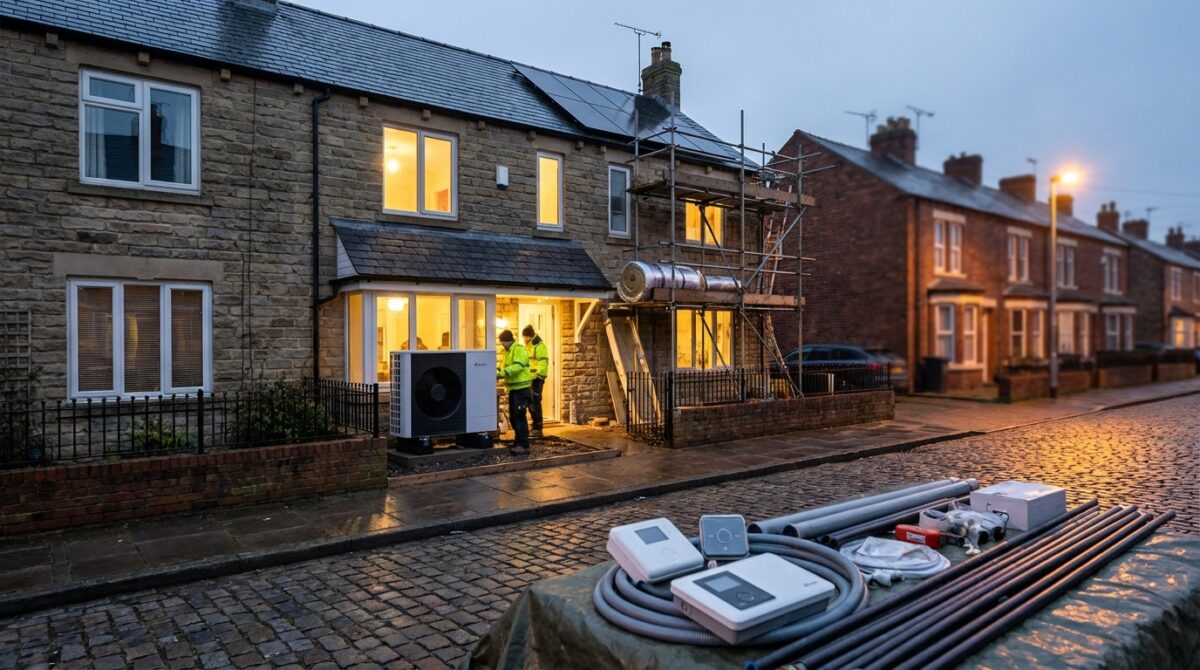
To picture the plan, imagine a typical semi‑detached house in Leeds. Under the low‑income scheme, its tenants might receive solid wall insulation, loft top‑ups, an air‑source heat pump and rooftop solar panels. Nesta’s modelling suggests this combination could cut their annual bill from roughly £1,670 to around £670, provided the system is designed and installed well.
Beyond individual homes, about £1.1bn is earmarked for heat networks. These systems deliver hot water or space heating from a central low‑carbon source, such as a large‑scale heat pump, waste‑heat recovery or geothermal wells. For dense urban areas and tower blocks, they can be more efficient than retrofitting each flat with a stand‑alone unit.
Loans, green mortgages and landlord obligations
Not every household qualifies for free upgrades, so £2bn is allocated to low‑cost loans to spread installation costs. A further £2.7bn in the new warm homes fund will support innovative finance such as green mortgages that reward efficient homes with lower interest rates. These models are explored in policy briefings and think‑pieces, for example on professional networks and in specialist outlets like The English Chronicle.
Landlords face a steeper change. Minimum energy performance standards will tighten, forcing rented homes to be upgraded. The previous government stepped back from similar rules; this time, ministers insist that tenants’ right to a warm, safe and affordable home takes priority. For millions of renters, that could mean lower bills without needing to negotiate with a reluctant owner.
Will heat pumps finally scale in Britain?
The UK has lagged countries such as Sweden, Norway and Finland on Home heating solutions based on heat pumps. High upfront prices, patchy installer skills and confusing regulation slowed uptake, despite the earlier £7,500 grant. Companies like Octopus Energy argue that combining a heat pump with solar and a battery can already beat gas on running costs for many households.
The Warm Homes Plan tries to fix the bottlenecks. Industry leaders, including platforms such as Checkatrade, see a “significant moment” for skilled trades. More plumbers and electricians will retrain as low‑carbon heating specialists, bringing down costs and installation times. Thinktank E3G has urged government to pair grants with 0% loans and lower electricity levies, so that choosing a heat pump feels like the financially obvious option rather than a niche climate gesture.
What households and communities can do now
For households wondering where to start, three steps help translate policy into action. First, check eligibility for grants or free upgrades through official channels and trusted explainers such as the government’s own overview of the “biggest home upgrade plan” and analytical coverage on national news outlets. Second, book an independent energy assessment to prioritise measures with the best payback in your specific property.
Third, use reputable installers and comparison tools to avoid poor‑quality work. Accredited directories and trade platforms can help identify specialists in Sustainable heating. With the Warm Homes Plan reshaping UK energy policy, early movers may benefit from shorter waiting times and clearer guidance, while later adopters might see lower technology prices but fuller order books.
- Improve insulation first to reduce heat demand before changing your boiler.
- Explore heat pump and solar combinations for the largest long‑term bill cuts.
- Ask your lender about emerging green mortgages or retrofit‑linked loans.
- As a renter, check upcoming standards and discuss upgrades with your landlord.
- Join local community energy groups trialling shared batteries or heat networks.
What is the main goal of the UK Warm Homes Plan?
The Warm Homes Plan aims to upgrade around 5 million homes with better insulation, heat pumps, solar panels and modern heating systems. Government analysis suggests this could cut typical energy bills by up to £1,000 a year and lift around 1 million people out of fuel poverty, while reducing emissions from home heating in line with climate targets.
Does the plan include a ban on new gas boilers?
No. The government has chosen not to introduce a legal ban on new gas boilers after 2035. Instead, it relies on incentives such as grants of up to £7,500 for heat pumps, low‑interest loans and tighter landlord rules to encourage a voluntary shift towards renewable heating and more efficient homes.
How much support is available for heat pumps?
Around £2.7bn is allocated to extend the Boiler Upgrade Scheme, which offers grants of up to £7,500 to replace an existing gas boiler with a heat pump. Additional funding supports installer training, innovation and heat networks, all designed to bring down costs and increase the availability of qualified tradespeople.
Who benefits most from the low-income scheme?
Scientists Transform Light into a Remote Control to Manipulate Crystals
5 Astonishing Facts Unveiling world’s largest hydroelectric dam
Low‑income households in cold, inefficient homes stand to gain the most. About £5bn is reserved for free or heavily subsidised insulation, heat pumps, solar panels and batteries for those on lower incomes. These measures can significantly reduce bills, improve health by tackling damp and cold, and protect households from future energy price spikes.
Are there risks or downsides to the Warm Homes Plan?
The main risks involve delivery rather than intent. Without a gas boiler ban, progress may be slower than climate scientists recommend. There are also concerns about whether installer capacity, supply chains and consumer awareness can scale fast enough. Analysts emphasise the need for clear communication, robust quality standards and stable long‑term policy to avoid previous boom‑and‑bust cycles in UK retrofit programmes.