Show summary Hide summary
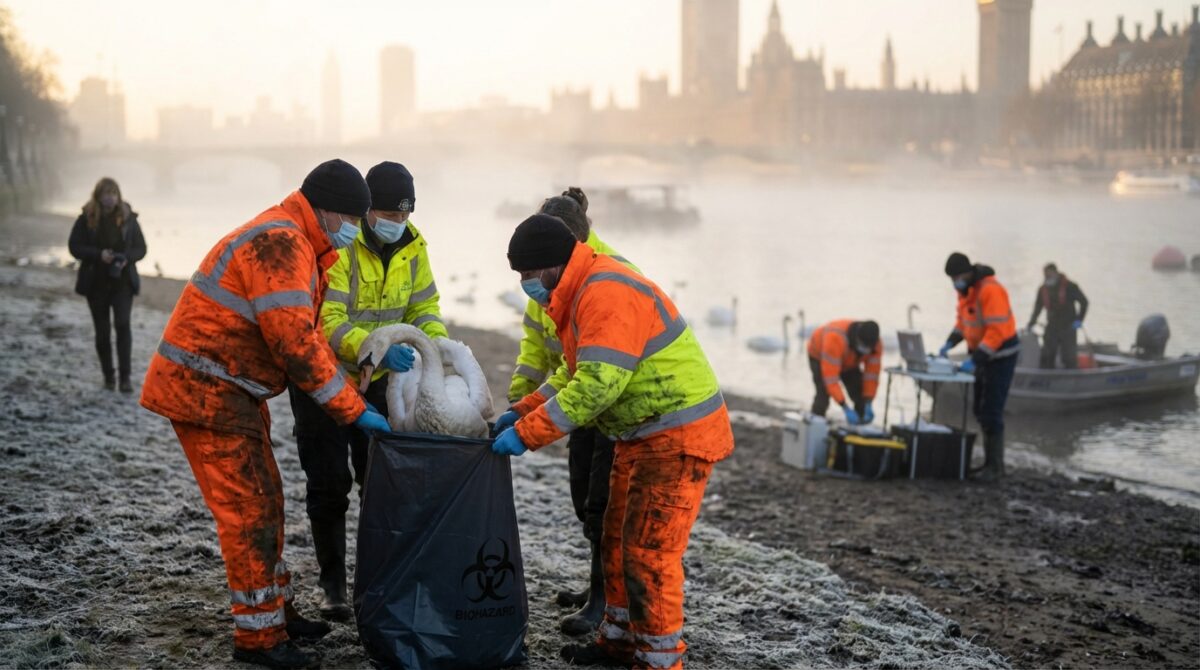
Swans spinning in circles, bleeding from their eyes, then lying motionless on the water. Since mid-January, more than 70 dead swans have been pulled from stretches of the Thames in Berkshire alone, fuelling fears of an urgent new outbreak of suspected Bird Flu in the Thames Valley.
Behind every lifeless bird is a wider story of how fast wildlife disease can move, and how quickly local communities now mobilise to try to curb the spread before it jumps riverbanks, species – or even borders.
Urgent efforts as rising swan deaths alarm Thames Valley
Over the past few months, the UK’s Animal and Plant Health Agency (Apha) has logged 324 confirmed bird flu cases in swans since October, with 39 new cases recorded in just the first four weeks of the new year. On paper, those numbers already look stark. On the river, they appear even worse.
Pollution Alters Ants’ Scent, Triggering Attacks Among Nest-Mates
Proposed UN Tax Could Make Fossil Fuel Companies Financially Responsible for Climate Damage
Rescue charity Swan Support reports 46 dead swans found around Windsor and Maidenhead since 17 January, plus another 26 in Newbury. Fresh carcasses continue to appear: two swans recovered in Windsor on a Thursday, three more the next day near Hurley. Local coverage, such as the detailed reporting from Windsor and Maidenhead, paints a picture of a river under pressure.
What suspected bird flu looks like on the water
On the ground, the disease does not appear as a line on a chart, but as disoriented birds. Volunteers describe swans spinning in circles, head tilted, then becoming so lethargic that they barely react. Some show bleeding from the eyes, a distressing sign that something is attacking more than just their lungs.
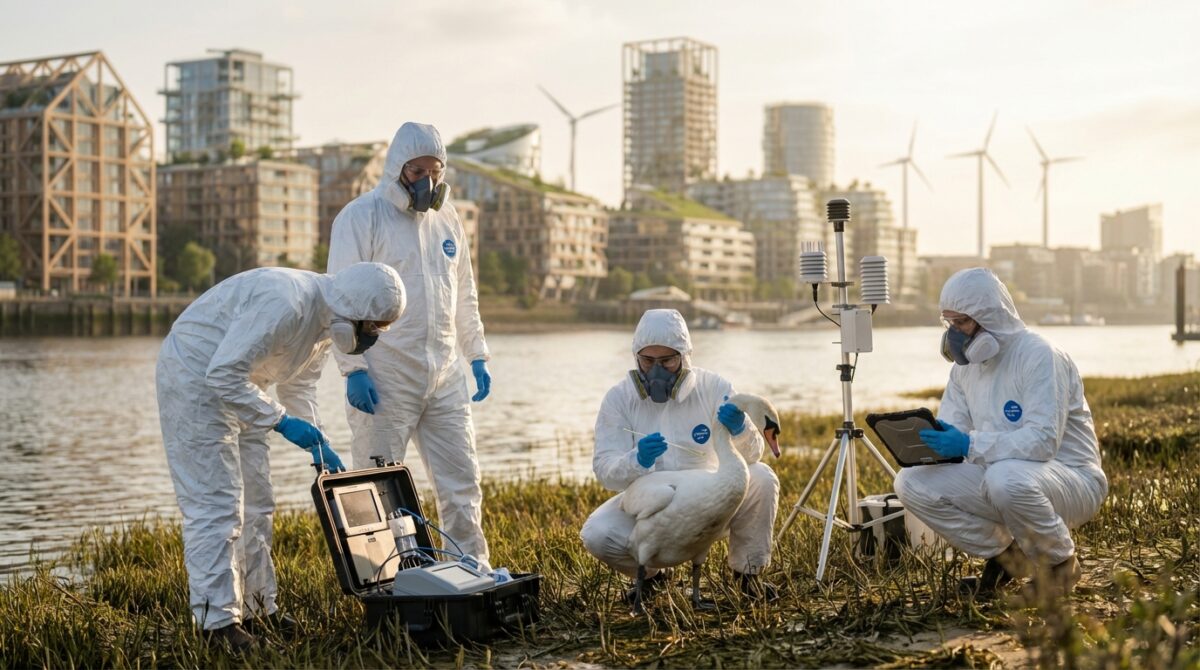
Operations staff at Swan Support remove sick or dead birds from the water as soon as they are reported, trying to break the chain of infection. According to the charity, bodies are then sent to laboratories run by Defra agencies for analysis to confirm whether highly pathogenic avian influenza is responsible.
How H5N1 bird flu spreads so quickly among swans
Behind these scenes lies the now familiar H5N1 strain of avian influenza, first detected in wild birds decades ago and devastating UK populations since 2021. Virologists at the UK Health Security Agency and Apha explain that this version of the virus is both highly contagious and brutal for many waterbirds.
A single infected swan can reportedly infect up to 100 others. The virus travels in faeces, mucus, blood and saliva, so every shared feeding spot or resting island on the Thames becomes a potential hub for transmission. Cold, damp winter conditions help the virus persist longer in water and mud, echoing patterns seen in other climate-linked disease shifts, such as those described in research on how changing habitats alter mosquito behaviour in studies like deforestation and mosquitoes’ preference for human blood.
Why swans are especially vulnerable on the Thames
Swans gather tightly along the river, especially where people feed them. That social behaviour, normally a joy for residents and tourists, creates an efficient network for viral exchange. David Barber, the king’s swan marker, who tracks numbers through the centuries-old “swan upping” census, calls this season “one of the worst years” he has seen for suspected bird flu in the region.
Barber estimates 40-plus swans dead in the Thames Valley, but suspects the real figure is closer to double, as some birds die unseen in reeds or drift away. His warning sits alongside wider national concerns; coverage such as the recent reporting on UK bird flu outbreaks and wildlife fears shows how local clusters can feed into a national pattern of decline.
Impact of the outbreak on wildlife, people and the river
For residents along the Thames – from Windsor to Maidenhead, Marlow and beyond – swans are more than a scenic backdrop. They signal the river’s health, attract visitors, and form part of local identity. Seeing multiple carcasses in a single week changes how people feel about walking the towpath or feeding birds with children.
The ecological knock-on effects arrive silently. Swans are large grazing birds; when many disappear, riverbank vegetation can grow differently, altering habitats for insects and fish. Conservation scientists draw parallels with other ecosystems under stress, whether it is crocodile wetlands studied in ecological photo series like crocodile ecology research or shifting bird migration patterns linked to colder European winters.
Who is most affected right now?
The immediate impact falls on three groups: wild birds, local communities, and frontline volunteers. Waterfowl such as geese and ducks share the same contaminated water, raising fears that the disease control challenge may not stop at swans. People walking dogs or children along the river confront disturbing scenes and worry about their own safety.
Charity workers and Apha staff shoulder the emotional and physical strain of collecting birds, disinfecting equipment, and responding to calls. Many have spent winters dealing with back-to-back wildlife emergencies, from previous H5N1 waves to heat and drought events that also reshape habitats.
Current response: efforts to curb spread in Thames Valley swans
Against this backdrop, a network of urgent efforts has formed along the river. Members of the public now act as early-warning sensors, phoning in sightings of sick or dead birds to Swan Support or Defra’s helpline. Every call gives responders a chance to remove a potential source of infection before more swans come into contact with it.
According to Apha, several swans in Berkshire have already tested positive for highly pathogenic avian influenza. Their spokesperson urges people not to touch dead or visibly sick birds and to wash hands thoroughly with soap and water after any contact with bird droppings or feathers, or after feeding wild birds. Swan Support echoes that message, stressing that well-meaning attempts to rescue a bird without training can increase risks.
Simple actions the public can take today
Many river users feel powerless in the face of a fast-moving virus, yet everyday choices genuinely help to curb the spread. Small changes in behaviour can reduce transmission between flocks and limit how far the outbreak travels along the Thames corridor and into connected wetlands.
- Report immediately: Log dead or sick wild birds online or call Defra’s helpline on 03459 33 55 77.
- Avoid direct contact: Do not pick up birds or move carcasses; keep pets on leads near affected stretches.
- Feed birds with care: If you feed swans, spread food out along the bank to avoid tight clustering.
- Clean footwear and equipment: Wash boots, pram wheels and gear after visiting riverside paths.
- Share trusted advice: Point friends and neighbours to verified guidance from Apha, Defra and local charities.
What this outbreak tells us about future wildlife health
This spike in suspected Bird Flu among Swans in the Thames Valley forms part of a wider pattern. Over recent winters, confirmed cases have appeared earlier in the season and in more locations, a trend documented by outlets such as recent in-depth environmental reporting and BBC analyses of rising swan infections.
Scientists studying climate and biodiversity warn that shifting temperatures, altered migration routes and denser overwintering flocks can all influence how viruses move. Colder snaps on the continent, like those discussed in research on how chilly European weather redirects birds towards the UK, may push more infected migrants into British rivers, stacking the odds against resident swans already weakened by pollution, food shortages or previous disease waves.
From crisis response to long-term resilience
While today’s focus is on picking up bodies and testing samples, longer-term thinking is starting to surface. Conservation groups argue for healthier river systems – cleaner water, restored wetlands, and reduced disturbance – so that surviving birds are in better condition to cope with infections. That wider agenda mirrors how ecologists look at woodland insects or ancient vertebrates: not as isolated species, but as parts of resilient systems.
For the Thames, that could mean more protected backwaters where birds can spread out, better monitoring along known gathering points, and continued collaboration between government agencies, charities and riverside communities. Each outbreak highlights where gaps remain – and where local action already makes a measurable difference.
Is bird flu dangerous to humans walking by the Thames?
Current evidence suggests that the H5N1 strain affecting Thames Valley swans poses a very low risk to people who simply walk by the river. Risk increases when someone handles sick or dead birds without protection or contacts contaminated faeces. Following advice not to touch birds, keeping pets away, and washing hands thoroughly after any possible contact keeps everyday exposure extremely low.
How can I tell if a swan might have bird flu?
Swans suspected of having bird flu may appear unsteady, spin in circles, hold their head at an odd angle or seem unusually sleepy and unresponsive. Some show discharge or bleeding from the eyes. Any bird behaving strangely, especially if several are affected in the same area, should be reported immediately rather than approached or handled.
Who should I contact if I find a dead swan?
In the UK, you can report dead wild birds using the government’s online service or by calling Defra’s helpline on 03459 33 55 77. Local charities such as Swan Support may also take calls about injured birds. Do not move the body yourself. Provide clear details of the location so trained responders can attend safely.
Can I still feed swans during a bird flu outbreak?
Purple Catkins Herald the Approach of Spring
Homes at Risk: How the Climate Crisis is Forcing Britain to Rethink Flood Safety
Feeding can continue with extra caution. Spread food over a wider area to avoid birds crowding together, and avoid hand-feeding or touching them. Stick to suitable foods such as grain or specialised waterfowl pellets instead of bread. After visiting the riverside, wash your hands and clean any footwear or pushchairs that may have passed through droppings or mud.
Will bird flu wipe out swans on the River Thames?
Bird flu has killed many swans locally and may push numbers down in the short term, but complete wipeout is unlikely. Some birds survive infection, others avoid exposure, and future breeding seasons can help populations recover. Long-term outcomes depend on how effectively outbreaks are managed, how healthy the river environment is, and whether repeated waves of infection continue in coming years.