Show summary Hide summary
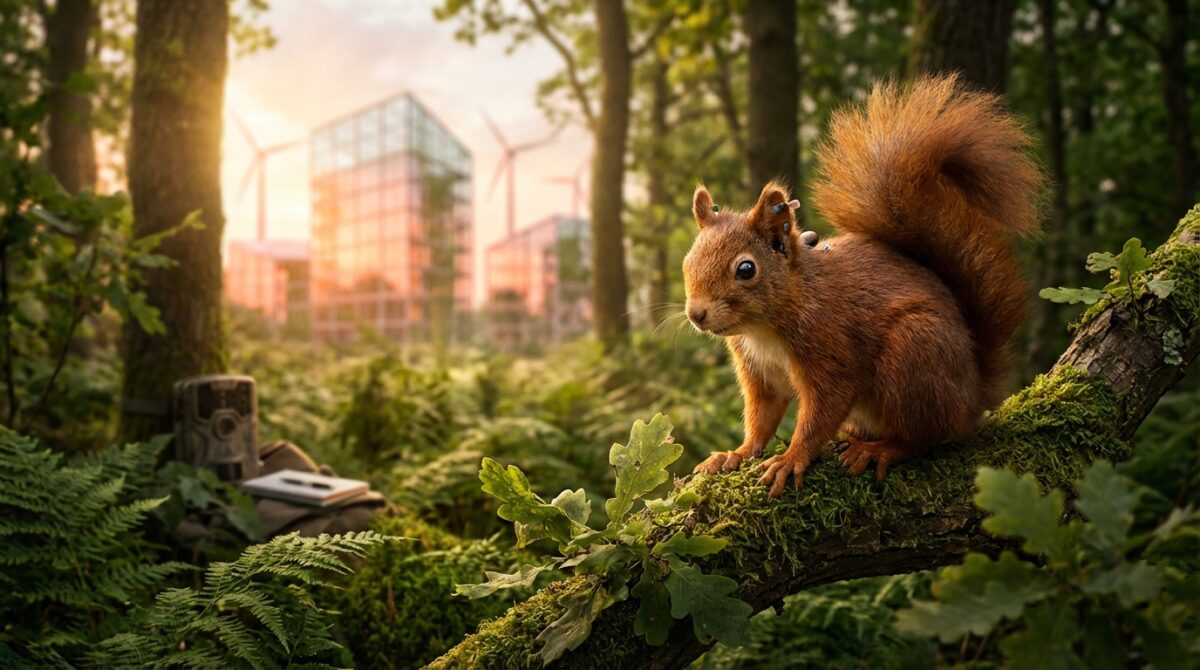
Across England’s woods, the silence speaks louder than birdsong. Fewer than 40,000 red squirrels are thought to survive in the country, down from about 3.4 million a century ago, leaving many asking: is this beloved native icon already lost?
That stark decline has turned England’s red squirrels into a symbol of wider Biodiversity collapse. Their story brings together climate pressures, Habitat Protection failures and the brutal maths of Invasive Species – but also a surge in hands‑on Conservation that shows what targeted action can still save.
Red squirrels on a knife edge in England’s woods
Across the UK, scientists estimate around 287,000 red squirrels remain, with roughly three‑quarters in Scotland. England’s share may be as low as 38,000–40,000 animals, clinging on in scattered fragments from Northumberland to the Lake District and the Isle of Wight.
Destabilized Ice Shelf Spurs Fast Movement of Antarctic Glacier
River Thames Among 13 Prime Locations Shortlisted for Official Swimming Recognition
In some places, the species has already winked out. On parts of the mainland, people now travel hours just to glimpse the auburn flash of a tail that once lit up local hedgerows. Reports that only about 5% of people in Britain have ever seen a wild red squirrel show how quickly a familiar neighbour has become a near‑mythical sight in England Wildlife.
The science behind their dramatic decline
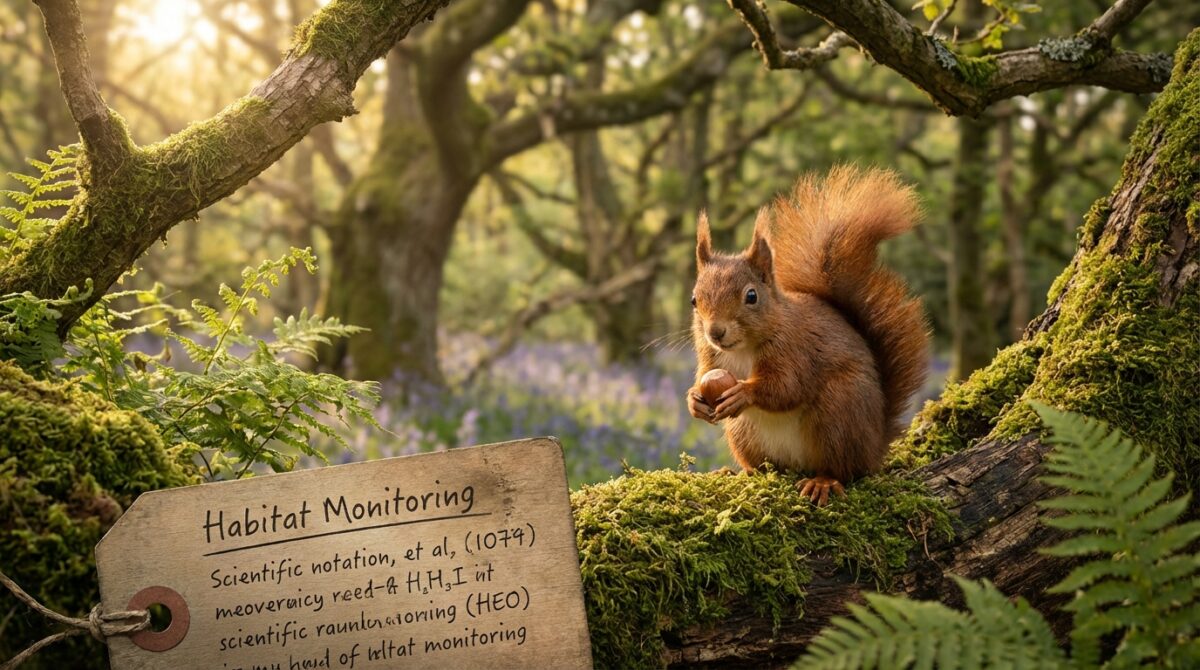
Ecologists point to a “perfect storm” in Ecology terms. The most immediate driver is the spread of grey squirrels, released in the late 19th and early 20th centuries as fashionable curiosities by aristocrats such as the 11th Duke of Bedford. Greys now number around 2 million across the UK.
Larger and more adaptable, greys outcompete reds for food and space. Crucially, they also carry squirrelpox virus. The disease barely affects greys but can wipe out up to 80–90% of a local red squirrel population in a single outbreak, according to monitoring reported by groups such as the Red Squirrel Survival Trust.
Habitat loss and England’s shrinking safe zones
Grey squirrels are only half the story. Red squirrels evolved with Britain’s old forests. As ancient woodland was cleared for agriculture, roads and housing, the mosaic of habitat they need splintered into small, isolated pockets.
On a Lake District farm, for instance, a few hundred acres of hazel, larch and mixed broadleaf trees now function as a mini sanctuary. Local rangers track every sighting there because a single breach by greys – or another patch of woodland felled nearby – could tip that refuge into permanent loss.
How invasive species reshape local ecology
In ecological terms, the grey squirrel is a textbook Invasive Species: introduced, fast‑breeding and able to alter entire woodland systems. Their bark stripping stresses young trees, reducing carbon storage and making it harder for native species to regenerate.
That ripple effect matters for wider Wildlife Preservation. When reds vanish, their role in spreading seeds and using different food niches disappears too, simplifying the forest community. Fewer species means less resilience to storms, pests and climate shocks – an invisible weakening of England’s nature‑based defences.
Government action plan and new scientific tools
Against this backdrop, the government’s new squirrel action plan for England has raised cautious hope. The strategy, outlined by the environment ministry, focuses on two linked goals: Habitat Protection through expanded and better‑managed woodland, and tighter control of grey squirrel numbers in red strongholds.
The plan highlights research into a fertility control vaccine for greys. Trial work, backed by conservation bodies and the UK Squirrel Accord, aims to deliver an oral contraceptive in bait stations. Modelled scenarios suggest that trimming grey populations by even 60–70% in key zones could give reds enough breathing space to recover.
Pine martens, predators and nature‑based controls
Another part of the toolkit looks back to a missing predator. Studies in Ireland and Scotland show that where pine martens return, red squirrels rebound. Reds are lighter and more agile, slipping through the canopy, while slower greys spend longer on the ground and become straightforward prey. UK’s warm homes
Planned pine marten releases in parts of northern England are being watched closely by ecologists. Their success could offer a rare win‑win: restoring a native carnivore and naturally dampening grey squirrel dominance without relying solely on culling.
Volunteers on the frontline of wildlife preservation
Policy only bites where boots meet bracken. Across England, hundreds of local groups now monitor feeders, run camera traps and report sightings, backed by organisations like the Lancashire Wildlife Trust’s red squirrel project and campaigns documented in features such as The Battle for the Red Squirrels.
On that Lake District farm, for example, a ranger visits regularly to check images from hidden cameras. Any grey squirrel caught on film triggers rapid response. For many volunteers, it is an emotionally tough task, yet they argue that targeted removal now is the least‑worst option to keep an Endangered Species from disappearing.
What effective local action looks like on the ground
Where reds still hold on – from Northumberland to pockets of North Yorkshire and Cumbria – several ingredients keep them there. Conservationists often talk about a simple checklist that any landowner or community can adapt to their patch.
- Protect and expand mixed woodland: keep mature trees, plant hazel, Scots pine and larch, and connect fragments with hedgerows.
- Monitor regularly: use feeders, citizen science apps and camera traps to map both red and grey squirrels.
- Control grey squirrels humanely: work with trained rangers, following welfare standards and national guidance.
- Limit disturbance: keep dogs to paths in key areas and time forestry work outside the breeding season. Researchers explore mystery
- Support research and local groups: donate, volunteer, or help lobby for long-term funding.
Each step seems modest on its own, yet together they decide whether young reds find enough food, cover and safety to survive their first precarious year.
From environmental awareness to everyday choices
Red squirrels are often described as the UK’s “heartbeat of the woods”. Their fate turns abstract talk of Environmental Awareness into something immediate and local: which trees stand or fall, which animals thrive or vanish in the next decade.
For readers far from current red squirrel territory, the choices still matter. Timber sourcing, support for native woodland schemes, even backing petitions to safeguard remaining habitats – such as those launched to protect Lancashire’s last reds – all feed into the same bigger story of how seriously a country takes its wild neighbours. Researchers overcome critical
Why are red squirrels considered endangered in England?
Red squirrels are classed as nationally endangered in England because their numbers have collapsed from an estimated 3.4 million across the UK to under 300,000, with fewer than about 40,000 likely to remain in England. Grey squirrels, habitat loss and disease have driven rapid local extinctions, leaving only scattered, fragile populations that need active protection to survive.
How do grey squirrels harm red squirrels?
Grey squirrels compete for food and nesting sites and are larger and more adaptable. They also carry squirrelpox virus, which rarely harms greys but can kill most of the red squirrels in an infected area within a short time. This combination of competition and disease pressure makes it extremely hard for reds to recover where greys are well established.
Can red and grey squirrels coexist in the same woodland?
Long-term coexistence is rare. In mixed woods, greys usually dominate because they digest acorns more efficiently and tolerate higher densities. Red squirrels tend to persist only in landscapes where greys are absent or strictly controlled, or where natural predators like pine martens suppress grey numbers enough to give reds an advantage.
What is being done to protect red squirrel habitat?
Conservation projects in northern England and parts of the south focus on protecting and reconnecting ancient woodland, planting native trees and managing forestry more sensitively. The national squirrel action plan includes incentives for landowners to improve woodland quality, create wildlife corridors and prioritise habitats that support red squirrel food sources and nesting sites.
How can the public support red squirrel conservation?
When Valuing Nature Falls Short: Can Bold Strategies Rescue Our Planet?
Portugal Faces Urgent Call to Tackle Climate Crisis Following Devastating Storms
People can support local conservation groups, report red and grey sightings to monitoring schemes, choose wood products from responsibly managed forests and back campaigns for stronger woodland and wildlife laws. In or near red squirrel areas, following path guidance, keeping dogs under control and respecting seasonal access limits all help reduce disturbance to these vulnerable animals.