
Show summary Hide summary
Imagine living longer not by training harder, but by training more diversely. A new long-term analysis suggests that mixing your workouts may quietly lower your risk of early death, even when total exercise time stays the same.
For anyone thinking about longevity as a lifelong project rather than a quick fitness fix, this idea changes how you look at your weekly routine. Instead of asking “How much exercise is enough?”, the more powerful question becomes “How many different ways does my body move?”
Why varied exercise is linked to longer life
A US research team analysed data from more than 110,000 adults tracked over three decades. Everyone in the study was reasonably active, yet those who practiced cross-training – combining several types of physical activity – were about 19 per cent less likely to die during the follow-up than peers with similar total exercise volume but less variety.
Ancient 400-Million-Year-Old Fish Fossils Unveil the Origins of Terrestrial Life
Researchers Unveil Microscopic Plant Mechanism Poised to Boost Crop Production Dramatically
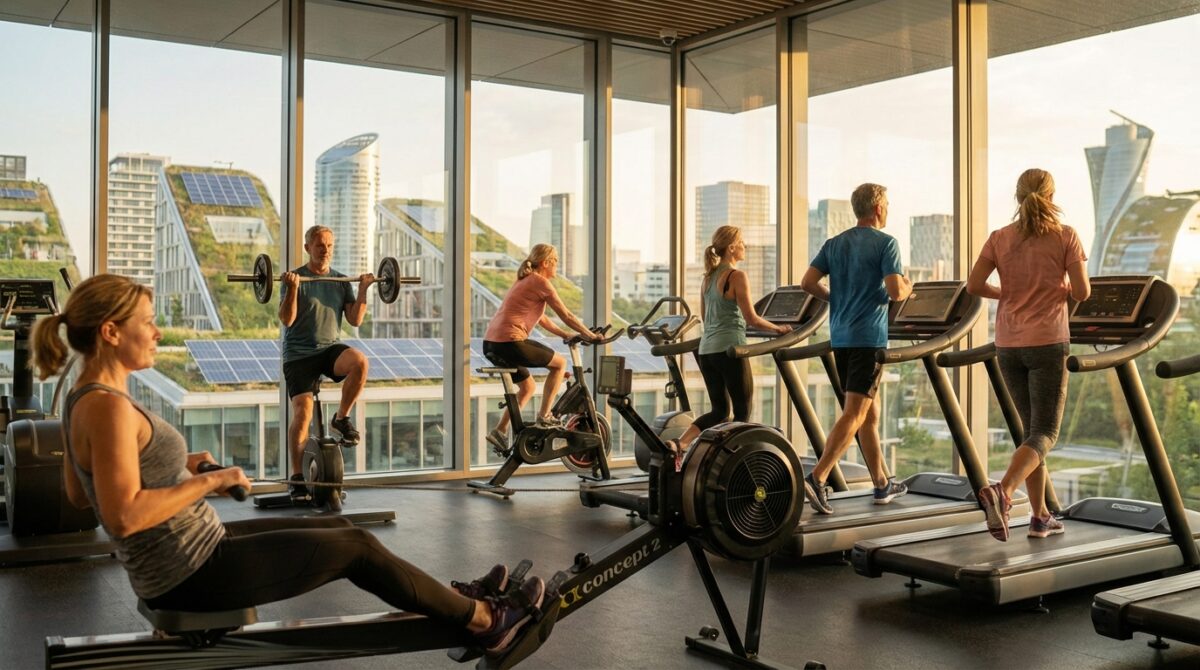
The data came from the Nurses’ Health Study and the Health Professionals Follow-Up Study, two landmark projects that have shaped modern health and aging research. Participants regularly reported activities such as walking, jogging, cycling, swimming, stair climbing, racquet sports, calisthenics, rowing and resistance training, allowing scientists to track how diverse routines related to longevity.
From diminishing returns to hidden longevity gains
The researchers noticed a pattern that endurance athletes already suspect: after a few hours per week of the same exercise, extra time delivered smaller benefits. Once people reached this plateau, switching to a different activity appeared to provide fresh protection instead of more of the same.
One explanation is physiological. Aerobic training improves heart and lung capacity, resistance work preserves muscle and bone, and mobility drills protect joints. Combining them may create a wider shield against the diseases that shorten life, from cardiovascular problems to frailty and falls.
The science of cross-training, VO₂ max and aging
Varied training does more than keep boredom away. It supports multiple systems that influence how you age, from mitochondrial function to blood vessel health. Many longevity physicians, including those featured in analyses of training for a longer, healthier life, now frame fitness as a skill you deliberately prepare for your 80s and 90s.
A key metric in this conversation is VO₂ max, the maximum rate at which your body can use oxygen during intense effort. Higher values strongly correlate with lower mortality, a relationship highlighted in detailed explanations of why VO₂ max is central to longevity. Cross-training, especially when it includes intervals and steady endurance work, is an efficient way to raise this number while reducing overuse injuries.
What kinds of movement does the research support?
The Harvard-led team grouped nine common activities, most of them accessible without advanced equipment. Walking, jogging, running, cycling, swimming, stair climbing, racquet sports, bodyweight training and weights all contributed to the longevity benefit when practiced in varied combinations rather than alone.
This aligns with findings reported by outlets such as Runner’s World on cross-training and life expectancy and analyses like cross-training may be the key to a long life. Together they suggest that your joints, muscles, heart and brain age more gracefully when no single movement pattern dominates your week.
Building a cross-training lifestyle for wellness and longevity
The practical challenge is turning statistics into an everyday lifestyle. Consider a fictional example: Maya, 52, works at a demanding job and wants better lifetime wellness, not just short-term fitness. She already walks most days but often feels stiff and struggles on stairs. A more diverse routine allows her to train for the decades ahead, not just the next holiday.
Borrowing from longevity-focused programs such as those described in cardio exercise longevity blueprints and longevity training for long-term health, she structures her week around three pillars: aerobic capacity, strength and movement quality.
A sample weekly cross-training framework
Rather than obsessing over perfection, you can think in terms of coverage. Each week aims to touch multiple energy systems and tissues so your body ages more like a well-maintained spacecraft than a neglected satellite. A realistic plan might look like this:
- Two sessions of cardio intervals: brisk walking with hills, cycling or jogging to challenge VO₂ max and heart function.
- Two strength-focused days: resistance bands, weights or bodyweight exercises to protect muscle, bone and metabolic health.
- One long, easy session: a bike ride, hike or swim to build endurance and support mental recovery.
- Daily micro-movements: short bouts of stretching, balance drills and stair climbing to keep joints and tendons adaptable.
Personal trainers and sports physicians increasingly emphasise this mix in resources such as using resistance training and HIIT to extend life or guides on workouts that support longevity. The message is consistent: helping your body handle many kinds of stress today prepares it for the unpredictable demands of future decades.
Why cross-training matters for brain, society and Earth
The benefits of diverse physical activity do not stop with muscles and arteries. Regular movement improves cognitive performance, sleep and mood, supporting productive work and emotional stability. As populations age, this has large-scale implications for healthcare systems, urban planning and even climate policy, because healthier citizens require fewer energy-intensive medical interventions.
Studios and clinics that focus on holistic fitness, such as those described in programs unlocking longevity and vitality through crosstraining, increasingly treat clients as partners in a decades-long experiment in healthy aging. Their approach echoes research institutions’ interest in wearables, which will soon allow scientists to track real-world movement patterns minute by minute instead of relying on questionnaires.
From personal routine to collective longevity
Why does this matter beyond individual wellness? The answer lies in how societies adapt to demographic shifts. As more people live well into their 80s and 90s, preserving independence becomes as important as adding years. Varied exercise routines appear to help people climb stairs safely, carry groceries and recover faster after illness.
Longevity science, from clinical research to public-facing explanations of science-backed strategies to extend healthspan, points in the same direction: the body thrives on change. Building endurance, strength and coordination through cross-training is less about chasing records and more about extending the period of life lived with autonomy and curiosity.
How many types of exercise are needed for longevity benefits?
Evidence from long-term cohorts suggests benefits when people combine at least two to three distinct modes of physical activity each week, such as aerobic training, resistance work and either mobility or balance exercises. The exact mix is flexible, but variety across movement patterns and intensities appears more important than any single activity.
Does walking alone provide enough protection for aging well?
Regular walking significantly improves health and reduces mortality risk, especially for inactive individuals. However, combining walking with strength and balance training seems to deliver broader protection for bones, muscles and fall risk. For longevity, researchers increasingly recommend using walking as a foundation, then layering other activities on top.
Can older adults safely adopt cross-training?
Older adults can benefit greatly from cross-training if progression is gradual and any medical conditions are considered. Starting with low-impact options such as brisk walking, cycling, light resistance bands and water-based exercise helps build capacity. Consultation with a healthcare professional or qualified trainer is advised before adding higher-intensity intervals.
How does cross-training affect injury risk?
How a Peruvian Peak is Turning into a Groundbreaking Particle Detection Frontier
Scientists Unveil the Secrets Behind Yeast’s Minuscule Centromeres
Varying activities spreads mechanical stress across different joints and tissues, which typically lowers the risk of overuse injuries seen in single-sport training. By alternating impact, load and motion patterns, tendons and muscles recover more effectively, allowing a sustainable exercise routine that supports long-term participation.
Do short daily sessions still help longevity?
Short, frequent movement breaks accumulated across the day can meaningfully support cardiometabolic health, particularly when combined with a few longer sessions each week. Research on physical activity patterns suggests that replacing prolonged sitting with even modest bursts of walking, stairs or light strength work contributes to better long-term outcomes.