Show summary Hide summary
On a chilly March morning, a teenager in Manchester logs a rare waxwing on their phone. In seconds, the sighting turns into a glowing digital card, XP points, and a fierce race with friends. Birdwatching just turned into a Pokémon-style adventure.
This surge of “catch ’em all” energy in parks and back gardens tells a bigger story. A new UK app, Birdex, is trying to turn casual scrolling into real-world exploration of nature, right when wildlife is under pressure from climate change and habitat loss.
How Birdex turns birdwatching into a real-life Pokémon game
Birdex works like a field guide crossed with a game. Every time users record a species in the UK, they unlock a digital bird card. Common birds such as blue tits or robins give modest points, while scarce species earn far higher rewards, mirroring the thrill of rare Pokémon in a classic game. Exposing truth battling the expansion of big oil.
Did a Cloud-Seeding Startup Truly Boost Snowfall in Utah?
Exposing Truth Battling Big Oil’s Plastic Expansion
The developers spent about six months building the app as a side project, with one working in marketing and another in software. Their goal is clear: use mobile technology to shift part of young people’s screen time outdoors, into birding and direct contact with wildlife. Friends can add each other, compare lists, and battle for the highest score.
Points, rivals and the psychology of collecting
Points, streaks, and leaderboards are not just decorative. Behavioural science shows that small, regular rewards nudge people to repeat actions. Birdex leans on this by making every sighting feel like progress, especially when a rare species appears during a weekend walk or a school run.
In London, psychologist Michelle Williams uses Birdex with her two children, aged seven and eight, to log garden visitors such as robins. The kids treat each species as part of a growing set, echoing card collections or digital Pokédex entries. That collecting instinct quietly anchors them in the rhythms of nature instead of another endless scroll through social media.
From garden feeders to citizen science and climate clues
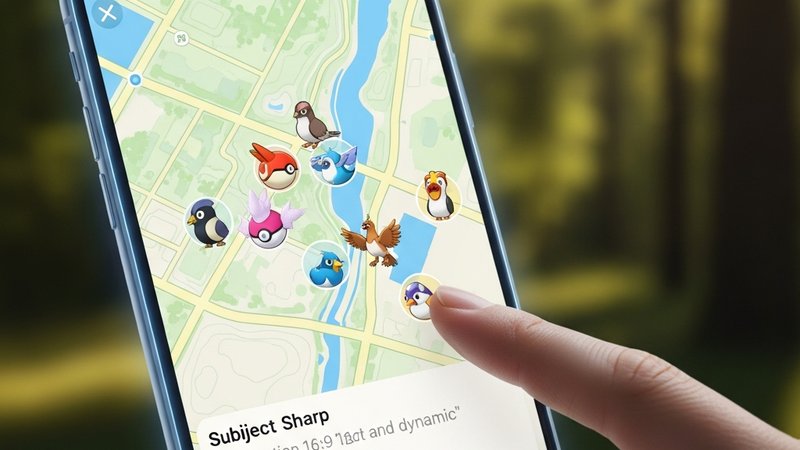
This Pokémon-flavoured birdwatching adventure does not exist in a vacuum. Smart feeders like Bird Buddy, highlighted in pieces such as this Upworthy feature on AI bird feeders, already use cameras and AI to identify species automatically. Birdex taps a similar desire but sends people outside to log birds in parks, reserves, and streets.
So far, users have recorded more than 200,000 individual birds. If those data are shared with research bodies such as the British Trust for Ornithology (BTO), they could complement long-running monitoring schemes. Combined with reports of species pushed north by colder continental winters, like those analysed in recent coverage of European weather boosting migration to the UK, these crowd-sourced observations help scientists track how climate change reshapes bird ranges. Scientists unveil hidden geometry steering electrons.
What scientists say about the app’s potential
Viola Ross-Smith, science communications manager at the BTO, described Birdex as “pretty engaging” and noted that even her Pokémon-loving son found it appealing. For organisations like the BTO, every additional, reliably recorded sighting strengthens the map of where birds live, breed, and struggle.
The logic is simple. When more people take part in birding, trends such as shrinking ranges or delayed migrations become visible sooner. That early warning can inform conservation measures, from planting the right trees to protecting wetlands that buffer cities against flooding while providing habitat.
When the game risks colliding with wildlife protection
There is, however, a tension: a game that rewards rare species could tempt some players to push into sensitive habitats. One red-flag example is the capercaillie, a large woodland grouse found in parts of Scotland. Disturbing these birds during nesting season is illegal, and conservation bodies in the Cairngorms regularly urge visitors not to go looking for them.
Ross-Smith has raised this issue directly, suggesting that Birdex should embed clear warnings or season-based restrictions for vulnerable species. The challenge is to keep the adventure alive without turning fragile birds into targets on a competitive map.
AI artwork, money and the ethics of digital nature
Another flashpoint comes from the app’s design. To create the digital bird cards, the team relied partly on AI-generated artwork because of tight funds. Some early users, especially artists and illustrators, reacted strongly; one Reddit comment summed up the mood: if the art is AI, the app gets uninstalled.
The developers say they plan to replace those images by hiring human artists as the project grows. The app is currently free, although some premium features may later sit behind a paywall. That funding model will decide whether Birdex can support both conservation goals and fair creative work.
Connecting young people, climate anxiety and everyday action
At a time when many under-25s report high levels of climate anxiety, tools like Birdex can play a quiet but meaningful role. They turn abstract graphs about biodiversity loss into everyday encounters: a swift overhead in June, a blackbird singing later in autumn, a sudden absence of house sparrows around a building site.
Every logged sighting creates a tiny data point and a small emotional link. Over months, those moments build into awareness of seasonal change, extreme weather patterns, or shifting migration timings that mirror what major institutions such as the IPCC describe in dense reports.
How to use Birdex without forgetting real-world birds
For readers tempted to try this new game-like approach to birdwatching, a few habits keep the focus on wildlife, not only on scores:
- Stay on paths in sensitive reserves and respect seasonal closures or warning signs.
- Use binoculars instead of approaching birds too closely for a better photo.
- Keep feeders and gardens safe by cleaning regularly and avoiding overcrowding.
- Log sightings accurately, including location and date, to maximise scientific value.
- Balance app time with moments when the phone stays in your pocket.
Handled this way, the exploration becomes more than a digital chase; it turns into a long-term relationship with local wildlife and the changing climate around your home.
What comes next for Pokémon-style birding apps
Birdex joins a growing ecosystem of tools that make birding more playful. From smart feeders featured on tech sites covering Bird Buddy “catch ’em all” feeders to other UK-focused platforms like the Birdex listing on AppBrain, this corner of citizen science is rapidly evolving.
Those experiments share a common thread: using digital hooks, borrowed from games such as Pokémon GO, to pull attention back to real skylines, hedgerows, and coastlines. As climate pressures intensify, the value of millions of casual observers who care enough to look up – and then log what they see – will only grow.
What is Birdex and how does it work?
Birdex is a UK-focused birdwatching app that turns every sighting into a collectible digital card. You log the bird you see, gain points based on how common or rare the species is, and build a personal collection while competing or collaborating with friends.
Is Birdex safe for vulnerable bird species?
The app’s design can encourage people to look for rarer birds, which raises concerns for sensitive species like capercaillie in Scotland. Experts have urged the developers to add clear warnings, seasonal guidance, and ethical prompts so gameplay never encourages disturbance of nesting or protected birds.
Can Birdex data help bird conservation?
Yes, if sightings are shared in usable form with organisations such as the British Trust for Ornithology. More than 200,000 birds have already been logged, and these records can complement long-term monitoring by highlighting where species are thriving, declining, or shifting their ranges under climate change.
Why does Birdex use AI-generated artwork?
The small development team leaned on AI artwork during the early build to keep costs low. That choice sparked criticism from some users and artists. The developers say they aim to replace AI images by commissioning human illustrators as the app grows and introduces paid features.
How can families use the app to explore nature?
‘It Sounds Apocalyptic’: UK Floods Endanger Wildlife
England’s Red Squirrels on the Brink: Is There Hope?
Families often use Birdex on local walks or in gardens, logging everyday species like robins or blue tits. Children treat birds like a real-world Pokémon collection, which keeps them engaged outdoors. Combined with simple rules about respecting wildlife, it becomes a fun way to learn about seasons, migration, and climate impacts.